Key Takeaways
- Most babies don't consistently sleep through the night until 6–9 months
- Night waking is developmentally normal — not a sign you're doing something wrong
- Sleep regressions at 4, 8, and 12 months are temporary and usually last 2–4 weeks
- Small changes to sleep environment and routine often make the biggest difference
If you're reading this at 3am with a wide-awake baby, you're not alone. Night waking is one of the most common challenges new parents face — and it's almost always temporary.
When Do Babies Sleep Through the Night?
"Sleeping through the night" medically means a 6-hour stretch — not 8pm to 7am. With that definition:
- 3 months — about 50% of babies can do a 5–6 hour stretch
- 6 months — most babies are capable of 6–8 hours without feeding
- 9–12 months — most babies sleep 10–12 hours with 0–1 wake-ups
💡 Capable doesn't mean consistent
A baby who can sleep through the night won't always do so. Illness, teething, travel, and developmental leaps all cause temporary setbacks.
Why Your Baby Wakes Up: Causes by Age
| Age | Common Causes | What to Do |
|---|---|---|
| 0–3 months | Hunger (small stomach), startle reflex | Feed on demand, swaddle |
| 3–6 months | 4-month sleep regression, hunger, habit | Consistent routine, gradual night weaning |
| 6–9 months | Separation anxiety, teething, milestones | Comfort briefly, pain relief for teething |
| 9–12 months | Standing/walking practice, 8-month regression | Practice new skills during day, consistent response |
Sleep Regression Timeline
Sleep regressions are periods when a baby who was sleeping well suddenly starts waking more. They're caused by developmental leaps:
- 4 months — the biggest one. Sleep cycles permanently mature. Lasts 2–6 weeks
- 6 months — mild. Related to separation anxiety and solid food introduction
- 8–10 months — crawling, pulling up, separation anxiety peak. Lasts 2–4 weeks
- 12 months — walking, nap transition from 2 to 1. Lasts 1–3 weeks
🔑 The golden rule of regressions
Don't create new habits during a regression that you'll need to undo later. If you start co-sleeping or feeding to sleep during a regression, it may become the new normal.
Gentle Solutions That Work
- Consistent bedtime routine — same 3–4 steps every night (bath, book, song, bed)
- Put down drowsy but awake — helps baby learn to self-settle
- Wait before responding — give 2–3 minutes before going in. Many babies resettle on their own
- Gradual withdrawal — slowly reduce your presence at bedtime over 1–2 weeks
- Dream feed — feed at 10–11pm before you go to bed to extend the first stretch
- White noise — masks household sounds and mimics the womb
Creating the Ideal Sleep Environment
- Dark room — blackout curtains make a significant difference
- Cool temperature — 68–72°F (20–22°C) is ideal
- White noise — continuous, not intermittent
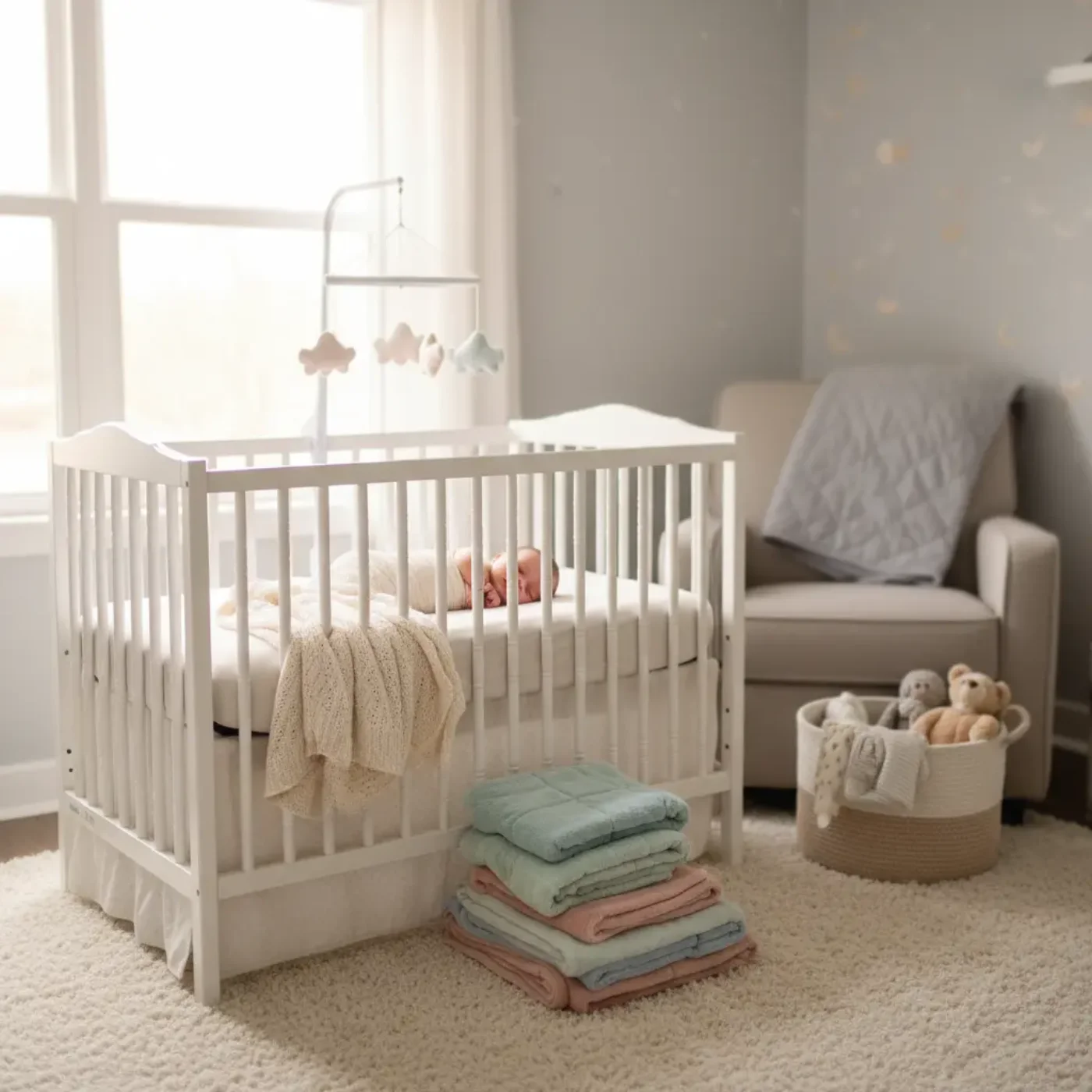
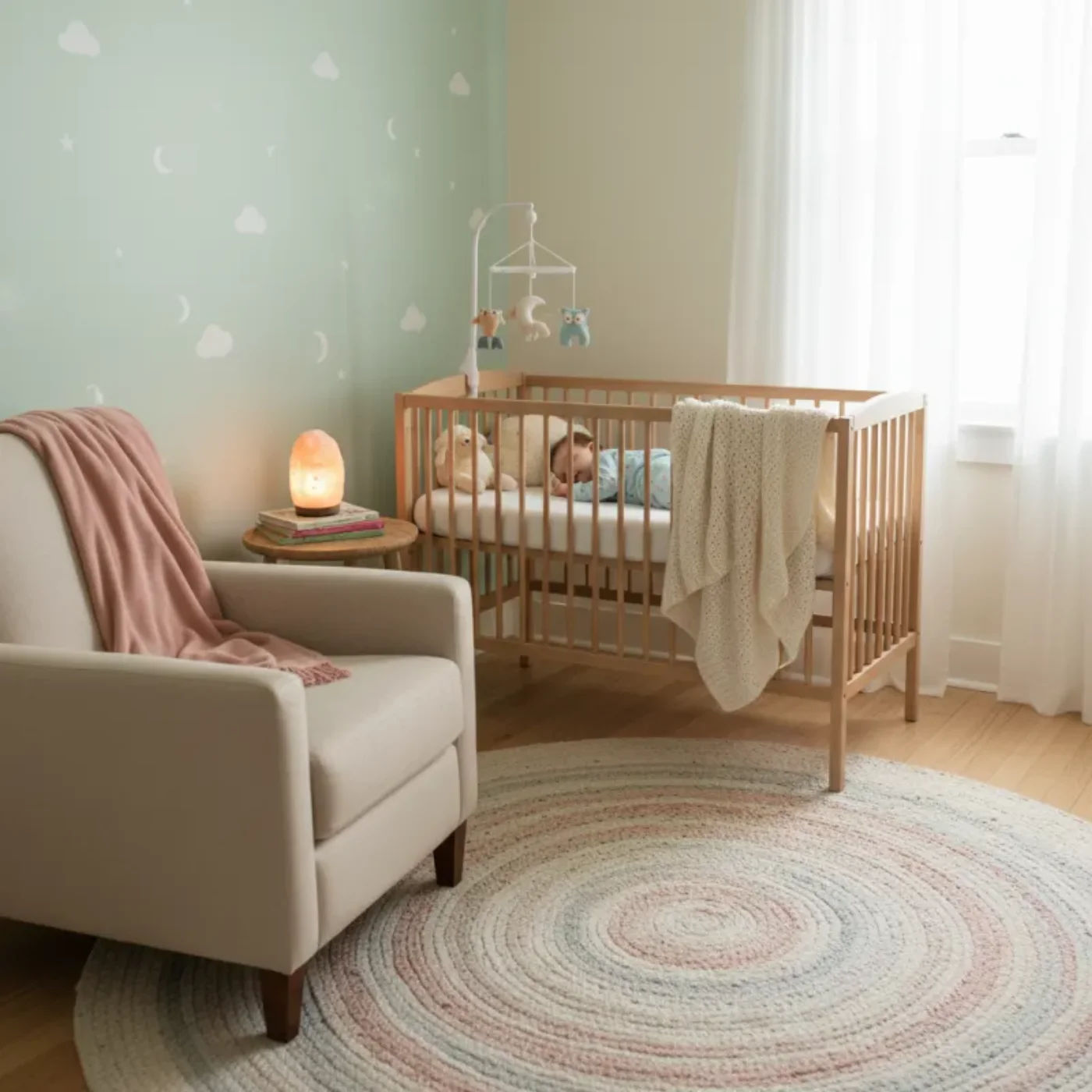
- Safe sleep surface — firm mattress, no loose bedding (AAP guidelines)
- Consistent sleep location — same crib/bassinet for naps and nighttime
When to Talk to Your Pediatrician
- Baby is over 6 months and waking every 1–2 hours consistently
- Loud snoring or pauses in breathing during sleep
- Baby seems in pain when waking
- Extreme difficulty falling asleep (takes over 45 minutes consistently)
- You're concerned about your own sleep deprivation and mental health
Track Your Baby's Day with ParAI
ParAI helps you log feedings, sleep, diapers, and health — then gives you AI-powered insights personalized to your baby. Ask questions, spot patterns, and get guidance based on your baby's actual data.