Key Takeaways
- Short naps (under 40 minutes) are developmentally normal for babies under 5 months — their sleep cycles are only 30-45 minutes long
- The most common causes of short naps in older babies are incorrect wake windows, overtiredness, and sleep environment issues
- Extending naps requires identifying the root cause first — there is no one-size-fits-all fix
- Tracking nap times, wake windows, and sleep cues consistently for 5-7 days reveals patterns invisible to tired parents
- Most babies consolidate naps naturally between 5-7 months as their circadian rhythm matures
You put the baby down, tiptoe away, finally sit down with your coffee — and 30 minutes later, they're awake and cranky. Sound familiar? Short naps are one of the most frustrating sleep challenges parents face, but they're also one of the most fixable.
This guide covers why short naps happen at different ages, when they're normal versus a problem, and concrete strategies to help your baby sleep longer during the day.
Related: Wake Windows by Age and AI Sleep Coach vs. Consultant.
Why 30-Minute Naps Happen
To understand short naps, you need to understand baby sleep cycles. Unlike adults who cycle through 90-minute sleep stages, babies have much shorter cycles:
- Newborns (0-3 months) — sleep cycles are 30-45 minutes. They naturally wake between cycles.
- Babies (4-6 months) — cycles lengthen to 40-50 minutes. This is when nap extension becomes possible.
- Older babies (7-12 months) — cycles are 45-60 minutes. Most can connect 2+ cycles by this age.
A "short nap" means the baby wakes after a single sleep cycle without transitioning into the next one. The most common reasons:
- Overtiredness — cortisol buildup from being awake too long makes it harder to stay asleep
- Undertiredness — not enough sleep pressure, especially if the wake window was too short
- Sleep associations — if the baby needed rocking, nursing, or a pacifier to fall asleep, they need it again to connect cycles
- Environmental disruption — light, noise, temperature changes, or a wet diaper
- Hunger — especially in younger babies who need frequent feeds
- Developmental leaps — new skills (rolling, crawling) cause temporary sleep disruption
When Short Naps Are Normal
Not all short naps are a problem. Here's what to realistically expect by age:
| Age | Number of Naps | Expected Nap Length | Short Naps Normal? |
|---|---|---|---|
| 0-8 weeks | 4-6 | 15 min – 2 hrs | ✅ Completely normal |
| 2-4 months | 3-5 | 30 min – 1.5 hrs | ✅ Very common |
| 5-7 months | 2-3 | 1-2 hours | ⚠️ Last nap can be short |
| 8-12 months | 2 | 1-2 hours | ❌ Investigate causes |
| 12-18 months | 1-2 | 1.5-3 hours | ❌ Likely fixable |
The key insight: if your baby is under 5 months and takes short naps, there may be nothing to "fix" — their brain simply hasn't matured enough to link sleep cycles yet. Focus on getting enough total daytime sleep by offering more frequent naps.
Wake Windows & Nap Length
Wake windows — the time your baby is awake between sleeps — are the single biggest lever for nap quality. Too short and the baby doesn't have enough sleep pressure. Too long and cortisol spikes, making it harder to stay asleep.
General wake window guidelines:
- 0-2 months: 45-90 minutes
- 3-4 months: 75-120 minutes
- 5-7 months: 2-3 hours
- 8-12 months: 2.5-4 hours
- 12-18 months: 4-6 hours
The 10-minute rule
If your baby consistently takes short naps, try extending the wake window by just 10 minutes for 3-4 days. Small adjustments often make a big difference. If naps get worse, reduce the wake window by 10 minutes instead. Track results for at least 3 days before changing again.
Signs your baby's wake window is too short (undertired):
- Takes more than 20 minutes to fall asleep
- Plays or babbles in the crib instead of sleeping
- Wakes happy after 30 minutes (not tired enough to sleep longer)
Signs the wake window is too long (overtired):
- Falls asleep in under 5 minutes (crashed from exhaustion)
- Wakes crying and upset after 30 minutes
- Becomes hyperactive or fussy before nap time
- Rubs eyes, pulls ears, or yawns excessively
Sleep Environment Checklist
Before troubleshooting schedules, rule out environmental factors that disrupt the transition between sleep cycles:
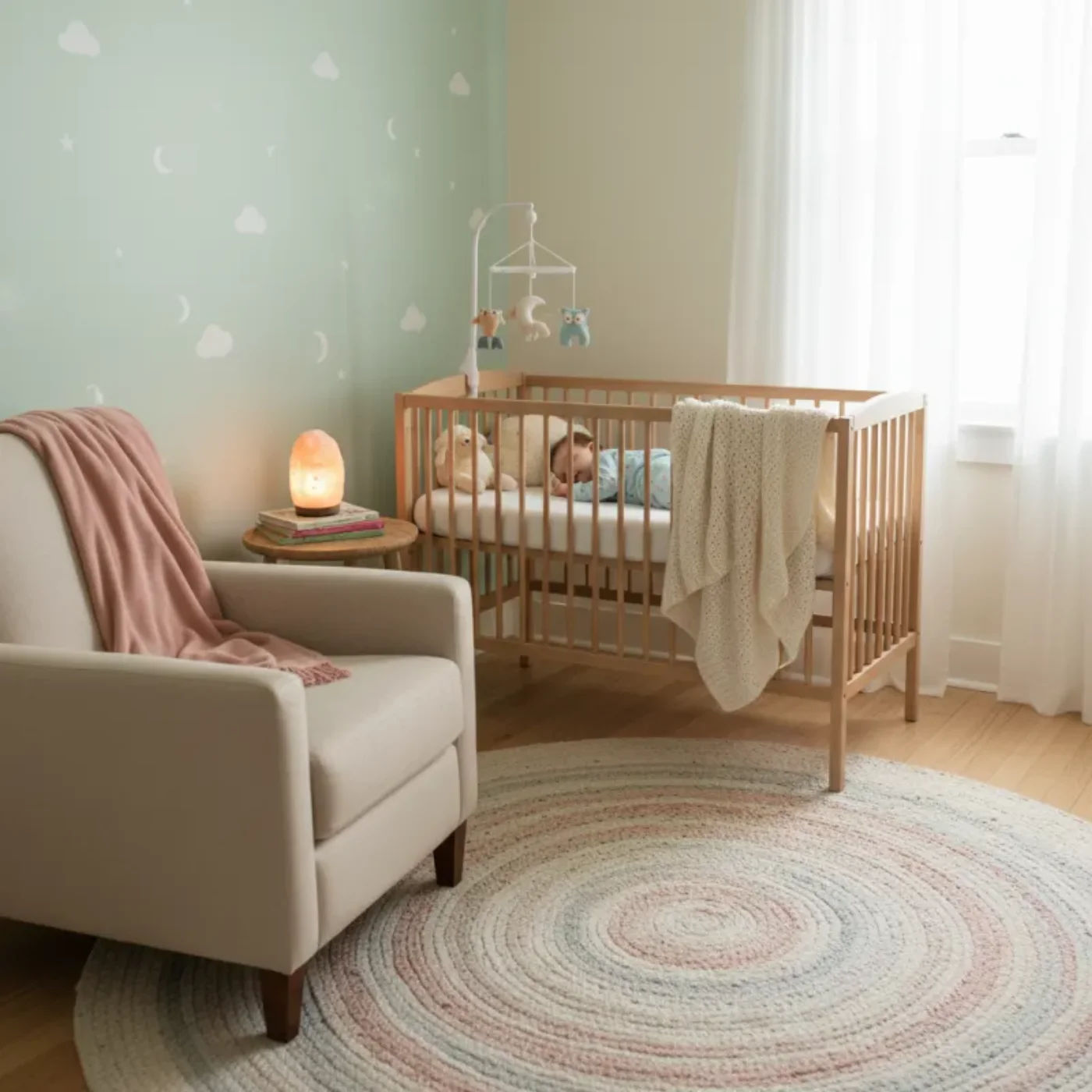
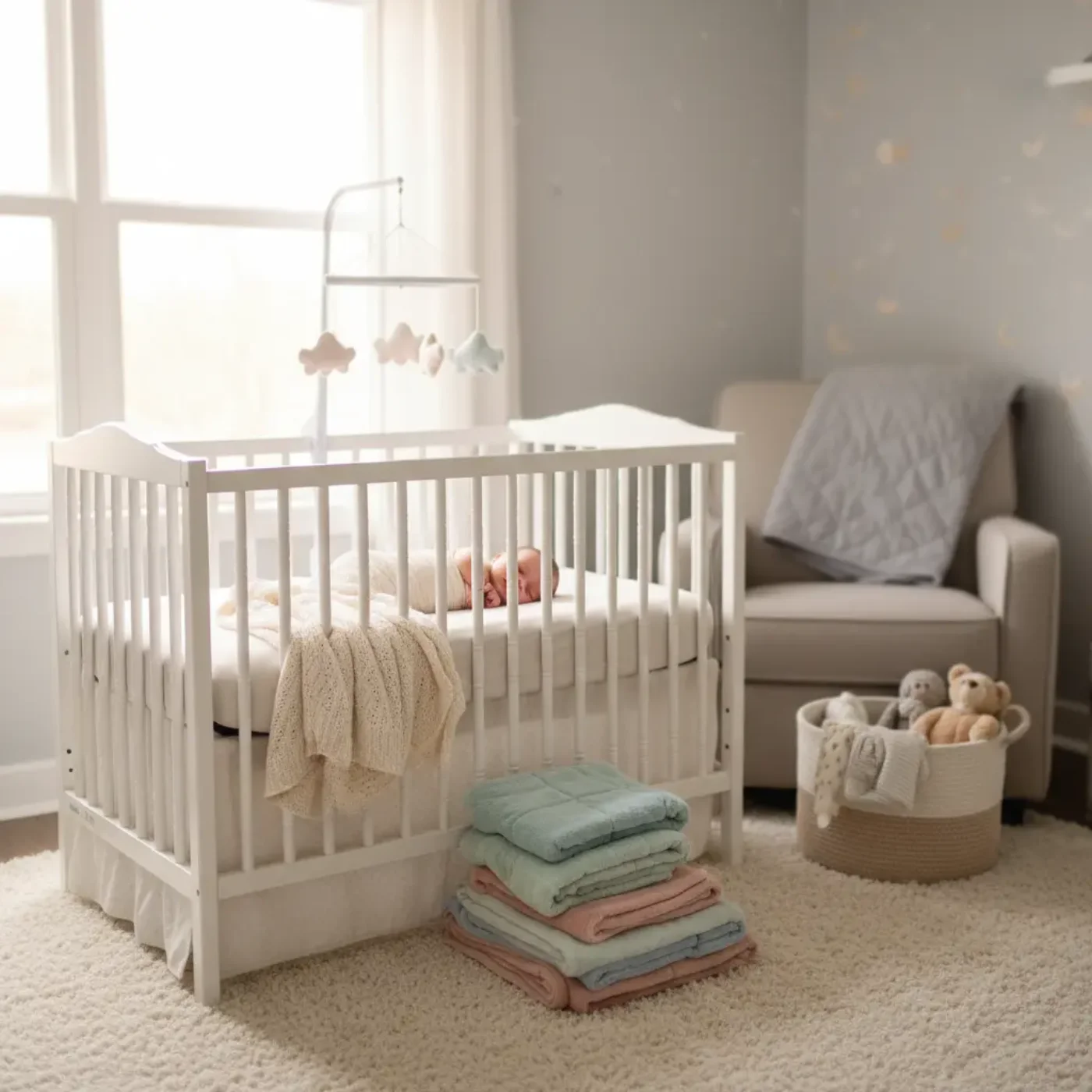
- Darkness — the room should be very dark (7/10 or darker). Blackout curtains are worth the investment. Even small light leaks can trigger waking at the light sleep phase between cycles.
- White noise — continuous, not timed. It should run the entire nap to mask household sounds. Volume at about 60dB (like a shower running in the next room).
- Temperature — 68-72°F (20-22°C). Babies wake more from overheating than cold. Dress in one layer more than you'd wear.
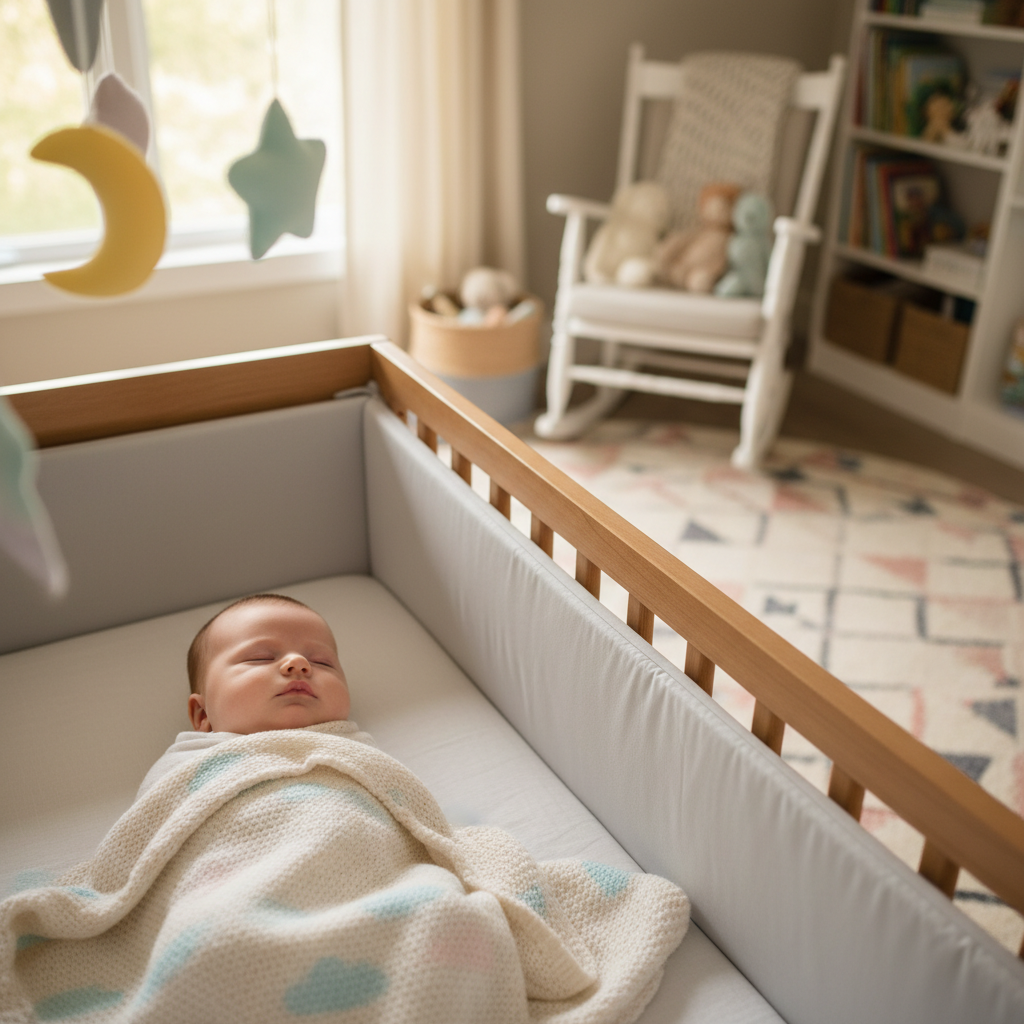
- Swaddle or sleep sack — prevents the startle reflex from waking young babies. Transition to arms-out when showing rolling signs.
- Consistent sleep space — try to put baby down in the same place for every nap. Familiarity helps them feel safe to stay asleep.
How to Extend Short Naps
Once you've optimized the environment and wake windows, try these strategies:
1. The pause (wait before responding)
When your baby stirs at the 30-minute mark, wait 5-10 minutes before going in. Many babies fuss briefly between cycles and resettle on their own. Rushing in can fully wake a baby who was about to connect cycles.
2. Wake-to-sleep technique
Set a timer for 5-10 minutes before the baby typically wakes (e.g., 20 minutes into a nap if they always wake at 30). Gently rouse them just slightly — a light touch on the shoulder or shifting the mattress. This disrupts the sleep cycle timing and can help them roll into the next cycle. This technique works best for predictable wake patterns.
3. Crib hour
Commit to leaving the baby in the crib for a full 60 minutes from when they fell asleep, regardless of when they wake. They may fuss, play quietly, or resettle. This teaches them that nap time isn't over just because they woke up. Best for babies 5+ months.
4. Assisted nap extension
If your baby wakes at 30 minutes, try rocking, patting, or replacing the pacifier to help them back into the next cycle. Gradually reduce the intervention over days/weeks. This bridges the gap while they learn to connect cycles independently.
5. One good nap priority
If extending all naps feels overwhelming, focus on the first nap of the day. It's the easiest to extend because sleep pressure is highest. Once the first nap consistently lengthens, other naps often follow.
Tracking Naps to Find Patterns
Tired parents often feel like naps are random chaos, but tracking reveals patterns you can't see in the moment. Record for at least 5-7 consecutive days:
- Wake time in the morning
- Sleep cues observed and when
- Time put down for each nap
- Time fell asleep (if different from put-down time)
- Time woke up
- Mood at wake-up (happy, fussy, crying)
- Feeding times relative to naps
Patterns to look for:
- Consistent 30-minute wakes — likely a sleep cycle connection issue or environment problem
- Variable wake times (20-45 min) — suggests hunger, discomfort, or noise disruption
- Good first nap, short later naps — normal! Later naps naturally have less sleep pressure
- All naps short regardless of timing — may be developmental (under 5 months) or indicate overtiredness accumulating
An app that tracks automatically removes the mental burden. ParAI integrates nap tracking with AI analysis to surface patterns and suggest wake window adjustments based on your baby's actual data — no spreadsheets required.
Frequently Asked Questions
How long should I try extending naps before giving up?
Give any strategy at least 5-7 consistent days before deciding it doesn't work. Sleep habits take time to change. If you see zero improvement after a full week of consistent effort, try a different approach — the root cause may be different from what you assumed.
Should I cap naps to protect nighttime sleep?
Generally yes for babies over 6 months — cap individual naps at 2 hours and ensure the last nap ends at least 3-4 hours before bedtime. However, for babies under 5 months with chronically short naps, prioritize total daytime sleep over nap length limits.
My baby only naps 30 minutes in the crib but 2 hours in the stroller — why?
Motion provides continuous sensory input that helps babies bridge sleep cycles. The gentle rocking mimics the womb. This isn't a problem to fix urgently — but if you want to transition to crib naps, do it gradually. Start with the first nap of the day in the crib, keep one motion nap for your sanity.
Will short naps affect my baby's development?
If your baby is getting enough total sleep in 24 hours (check age-appropriate guidelines), short individual naps won't harm development. A baby who takes four 30-minute naps gets the same 2 hours of daytime sleep as one who takes two 60-minute naps. Quality and total matter more than individual nap length.
When should I talk to my pediatrician about short naps?
See your pediatrician if: your baby seems excessively tired despite adequate nap opportunities, you notice breathing irregularities during sleep, your baby is over 8 months and cannot nap longer than 30 minutes despite consistent efforts, or short naps are accompanied by poor nighttime sleep and irritability throughout the day.
Disclaimer: This article is for informational purposes only and does not constitute medical advice. Always consult your pediatrician for concerns about your baby's sleep or health.
Struggling with Sleep? Try ParAI's AI Sleep Coach
ParAI's AI Sleep Coach creates a personalized sleep plan based on your baby's age, temperament, and patterns. Daily check-ins, progress tracking, and evidence-based guidance.