Key Takeaways
- Preeclampsia affects 5–8% of pregnancies and develops after 20 weeks gestation
- Key signs: blood pressure ≥140/90 mmHg combined with protein in urine
- Severe headaches, vision changes, and upper abdominal pain require immediate medical attention
- Delivery is the only cure — early detection allows doctors to manage timing safely
- Low-dose aspirin (81 mg) can reduce risk by 25% in high-risk women
Preeclampsia is one of the most serious pregnancy complications, yet many women don't recognize the warning signs until it becomes severe. This condition affects approximately 1 in 15 pregnancies worldwide and can progress rapidly from mild to life-threatening. Understanding the symptoms, knowing your risk factors, and acting quickly can protect both you and your baby.
What Is Preeclampsia?
Preeclampsia is a pregnancy-specific disorder characterized by new-onset high blood pressure (hypertension) and protein in the urine (proteinuria) developing after 20 weeks of gestation. It affects multiple organ systems including the liver, kidneys, brain, and placenta.
See also: Baby Ear Infection: Signs, Treatment & When to See the Doctor and When Do Toddlers Stop Napping? Signs and How to Transition.
The condition is thought to originate from abnormal placental development early in pregnancy, leading to poor blood flow and the release of substances that damage blood vessel walls throughout the body. Without treatment, preeclampsia can progress to eclampsia (seizures), HELLP syndrome (hemolysis, elevated liver enzymes, low platelets), organ failure, or placental abruption.
Preeclampsia can occur without symptoms
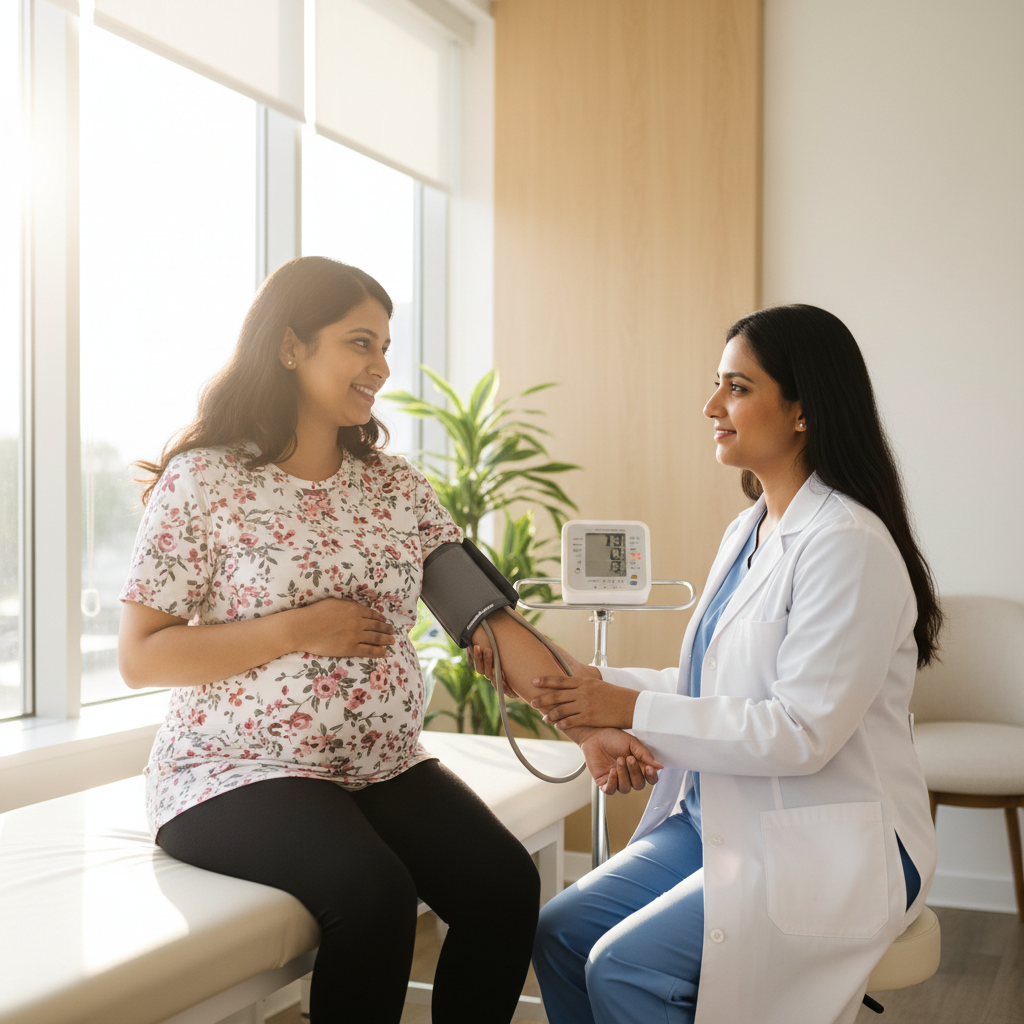
In its early stages, preeclampsia often has no noticeable symptoms. This is why regular prenatal blood pressure checks and urine tests are critical — they can catch the condition before it becomes dangerous.
Warning Signs & Symptoms
While mild preeclampsia may be detected only through routine prenatal screening, severe preeclampsia produces distinct warning signs that require immediate attention:
| Warning Sign | Description | Severity |
|---|---|---|
| Severe headache | Persistent, throbbing, doesn't respond to paracetamol | Seek care immediately |
| Vision changes | Blurred vision, seeing spots or flashing lights, light sensitivity | Seek care immediately |
| Upper abdominal pain | Pain under the ribs on the right side (liver swelling) | Seek care immediately |
| Sudden swelling | Face, hands, or feet swelling that appears rapidly | Contact your doctor |
| Rapid weight gain | More than 1 kg (2.2 lbs) in a single week from fluid retention | Contact your doctor |
| Nausea or vomiting | New onset in second or third trimester | Contact your doctor |
| Decreased urination | Noticeably less urine output than normal | Contact your doctor |
| Shortness of breath | Difficulty breathing, caused by fluid in the lungs | Seek care immediately |
Trust your instincts
Many women with preeclampsia describe a general feeling that "something is wrong." If you feel unwell in a way that's different from normal pregnancy discomfort, don't hesitate to call your provider.
Who Is at Risk
Any pregnant woman can develop preeclampsia, but certain factors significantly increase your risk:
- First pregnancy — risk is 2–3 times higher in first-time mothers
- Previous preeclampsia — recurrence rate of 15–20% in subsequent pregnancies
- Chronic hypertension — pre-existing high blood pressure before pregnancy
- Multiple gestation — twins or triplets increase risk significantly
- Age — women under 20 or over 35 face higher risk
- Obesity — BMI ≥30 doubles the risk
- Diabetes — type 1, type 2, or gestational diabetes
- Kidney disease — pre-existing renal conditions
- Autoimmune disorders — lupus or antiphospholipid syndrome
- Family history — mother or sister with preeclampsia
- IVF conception — slightly elevated risk with assisted reproduction
How It's Diagnosed
Preeclampsia is diagnosed when both of the following are present after 20 weeks of pregnancy:
- High blood pressure — systolic ≥140 mmHg or diastolic ≥90 mmHg on two readings at least 4 hours apart
- Proteinuria — ≥300 mg of protein in a 24-hour urine collection, or protein/creatinine ratio ≥0.3
In the absence of proteinuria, preeclampsia can still be diagnosed if hypertension is accompanied by low platelets, elevated liver enzymes, kidney insufficiency, pulmonary edema, or cerebral/visual symptoms.
Severe preeclampsia is diagnosed when blood pressure reaches ≥160/110 mmHg or when organ damage is present (HELLP syndrome, renal failure, or neurological symptoms).
What is HELLP syndrome?
HELLP stands for Hemolysis, Elevated Liver enzymes, and Low Platelet count. It's a severe variant of preeclampsia that can develop rapidly and requires immediate delivery regardless of gestational age.
Treatment & Management
The only definitive cure for preeclampsia is delivery of the baby and placenta. Treatment decisions depend on the severity and gestational age:
- Mild preeclampsia (before 37 weeks) — close monitoring with twice-weekly blood pressure checks, blood tests, and fetal surveillance. Bed rest may be recommended.
- Mild preeclampsia (at or after 37 weeks) — delivery is typically recommended as the risks of continuing pregnancy outweigh the benefits
- Severe preeclampsia — hospitalization, IV magnesium sulfate to prevent seizures, antihypertensive medications, and delivery planning
- Before 34 weeks — corticosteroids are given to accelerate fetal lung maturity before delivery
After delivery, blood pressure usually returns to normal within days to weeks, though monitoring continues for 6 weeks postpartum as late-onset postpartum preeclampsia can occur.
Can You Prevent It?
While preeclampsia cannot be completely prevented, evidence-based strategies can significantly reduce risk:
- Low-dose aspirin — 81–150 mg daily starting at 12–16 weeks reduces risk by ~25% in high-risk women. Recommended by ACOG for women with one or more high-risk factors.
- Calcium supplementation — 1.5–2 g daily may help women with low dietary calcium intake
- Regular exercise — moderate physical activity throughout pregnancy supports cardiovascular health
- Healthy weight — achieving a healthy BMI before pregnancy reduces baseline risk
- Managing chronic conditions — optimizing blood pressure, blood sugar, and kidney function before conception
Ask about aspirin at your first prenatal visit
If you have any high-risk factors, ask your doctor about starting low-dose aspirin. It's most effective when started before 16 weeks and continued until delivery.
When to Seek Emergency Care
Go to the hospital immediately or call emergency services if you experience any of the following:
- Severe headache that won't go away with rest or medication
- Visual disturbances — blurred vision, seeing spots, flashing lights, or temporary vision loss
- Severe pain below the ribs, especially on the right side
- Sudden severe swelling of face or hands
- Difficulty breathing or chest pain
- Confusion, altered consciousness, or seizures
- Vaginal bleeding with abdominal pain
Time matters with preeclampsia. The condition can progress from mild to life-threatening within hours. If you're unsure whether your symptoms are serious, always err on the side of caution and contact your healthcare provider immediately.
Track your blood pressure at home
If your doctor recommends home monitoring, take readings at the same time each day while seated and rested. Record all readings to share at your appointments — ParAI can help you track and spot trends.