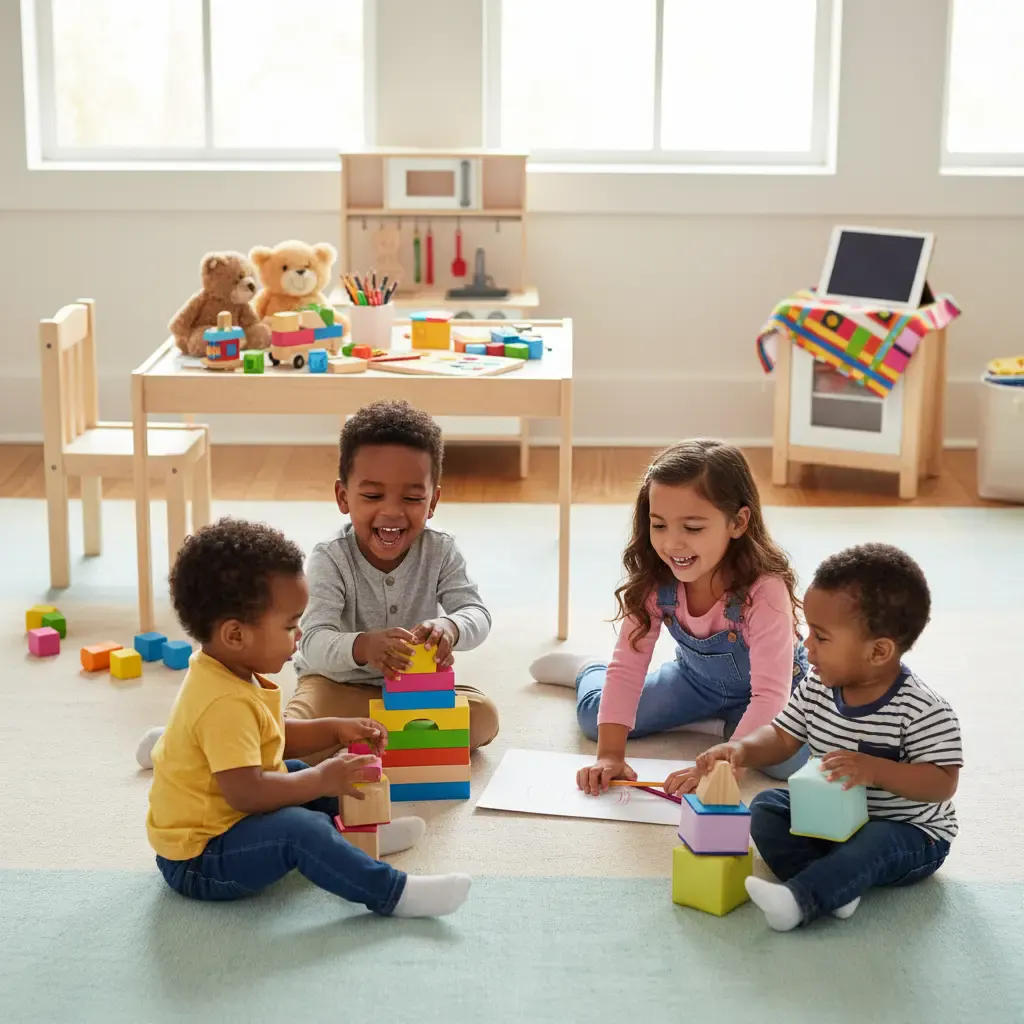
Key Takeaways
- Wait until after 12 weeks, when you're showing, or when your toddler asks to share the news
- Use age-appropriate tools: books about new siblings, dolls, and visits to friends with babies
- Involve your toddler — let them pick baby items, talk to the belly, and feel kicks
- Regression (potty accidents, clinginess, acting out) is completely normal and temporary
- Avoid saying "you're the big kid now" — validate their feelings instead
A new sibling is one of the biggest changes in a toddler's life. With some preparation and patience, you can help your child feel secure, included, and even excited about the new addition to your family.
Before Baby Arrives
The key question most parents face: when do you tell your toddler? There's no single right answer, but here are good guidelines:
See also: tummy-time-guide and When to Call the Pediatrician: A New Parent's Guide.
- After 12 weeks — once you're past the first trimester and feel more confident
- When you start showing — toddlers notice body changes and may ask questions
- When they ask — if they overhear conversations or notice something different
Toddlers have no concept of time, so telling them too early means months of "when is the baby coming?" Keep it simple: "A baby is growing in mommy's tummy and will come when it's ready."
Books help
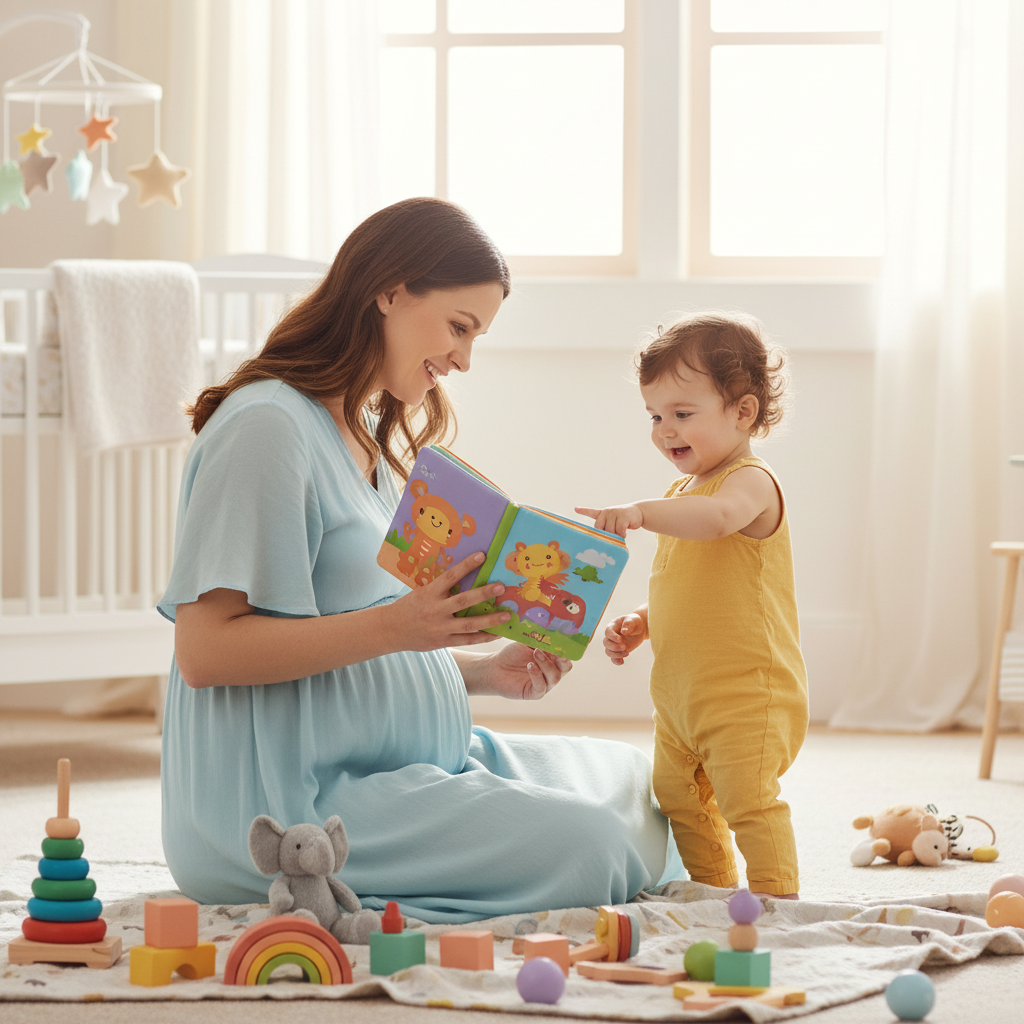
Picture books about becoming a big sibling make the concept concrete. Read them casually — not as a lesson, but as a story. Some favorites: "I'm a Big Brother/Sister," "The New Baby," and "There's a House Inside My Mummy."
During Pregnancy
Use the months of pregnancy to gradually introduce the idea and involve your toddler:
- Let them feel kicks — place their hand on your belly when the baby moves
- Talk to the baby together — "Say good morning to the baby!"
- Let them pick things — choose a onesie, a toy, or a blanket for the baby
- Visit friends with babies — seeing a real baby helps them understand what's coming
- Practice with dolls — show gentle touch, how to hold a baby, how to be quiet when baby sleeps
If big changes are coming (moving to a new room, starting daycare, potty training), try to make them well before the baby arrives so your toddler doesn't associate them with being "replaced."
Role play
Use a baby doll to practice: "This is how we hold the baby gently. This is how we pat the baby's back." Toddlers learn through play, and this gives them a script for when the real baby arrives.
When You Go to the Hospital
The separation when you go to the hospital can be unsettling for a toddler. Plan ahead:
- Choose a familiar caregiver — grandparent, aunt, or close friend your toddler already trusts
- Practice the stay — have a sleepover with the caregiver before the due date
- Video call — let your toddler see you and hear your voice while you're away
- Keep their routine — same bedtime, same meals, same comfort items
- Prepare a gift "from the baby" — a small present waiting at the hospital or at home that the new baby "brought" for their big sibling
Keep goodbyes short and confident. "Mommy and Daddy are going to get the baby. Grandma is going to have so much fun with you, and we'll see you very soon!"
The First Meeting
The first time your toddler meets the new baby sets the tone. A few small adjustments make a big difference:
- Have the baby in the bassinet — not in mom's arms. This way, your toddler can come to you for a hug first
- Let the toddler approach — don't force interaction. Some kids are curious immediately; others need time
- Stay calm and positive — "Look who's here! This is your baby brother/sister"
- Give the gift — "The baby brought something special just for you!"
- Don't correct too quickly — if they poke or touch roughly, gently guide their hand rather than scolding
Mom's arms matter
When your toddler walks in, having your arms free to hug them first sends a powerful message: "You are still my baby too. Nothing has changed between us."
The First Weeks at Home
The first weeks are an adjustment for everyone. Your toddler needs reassurance that their world is still stable:
- Maintain their routine — same wake time, meals, nap, bath, bedtime story. Predictability is security
- Special 1-on-1 time daily — even 15 minutes of undivided attention (reading, playing, a walk) makes a huge difference
- Let them "help" — bring a diaper, sing to the baby, choose the baby's outfit, throw away the wipe
- Narrate the baby's "feelings" — "Look, the baby is smiling at you! She loves hearing your voice"
- Don't shush them constantly — newborns can sleep through noise. Your toddler shouldn't feel they have to tiptoe in their own home
When visitors come, ask them to greet the toddler first before rushing to see the baby. This small gesture prevents your child from feeling invisible.
The 'helper' trick
Toddlers love feeling important. "Can you bring me the blue blanket for the baby? You're so helpful!" gives them a role without pressure. Never force it — if they say no, that's okay too.
Handling Regression & Jealousy
Regression after a new sibling is completely normal. Your toddler may:
- Have potty accidents after being fully trained
- Want a bottle or pacifier again
- Become extra clingy or whiny
- Act out — hitting, throwing, saying "I don't like the baby"
- Demand to be carried or want to sleep in your bed
This isn't misbehavior — it's communication. Your toddler is saying "I need to know you still love me."
What to say (and not say)
Instead of "You're the big kid now" (they didn't ask for that responsibility), try: "It's okay to feel angry about the baby. I still love you exactly the same. You will always be my [name]." Validate the feeling, then redirect the behavior.
How to respond to regression:
- Don't punish — regression is not defiance. It's a stress response
- Meet them where they are — if they want to be held like a baby, hold them. It passes
- Name the feelings — "You seem sad right now. Do you want a cuddle?"
- Set boundaries gently — "I won't let you hit the baby, but you can hit this pillow if you're angry"
- Be patient — most regression resolves within a few weeks to a couple of months
Remember: your toddler's entire world just changed. They need time, patience, and the consistent message that they are loved — not replaced.
Track Milestones & Get AI Developmental Insights
ParAI tracks CDC milestones and uses AI to spot patterns, suggest activities, and alert you if something needs attention. Personalized to your child's age.


Disclaimer: This article is for informational purposes only and does not replace professional medical advice. Always consult your pediatrician for concerns about your baby's health or development.