Key Takeaways
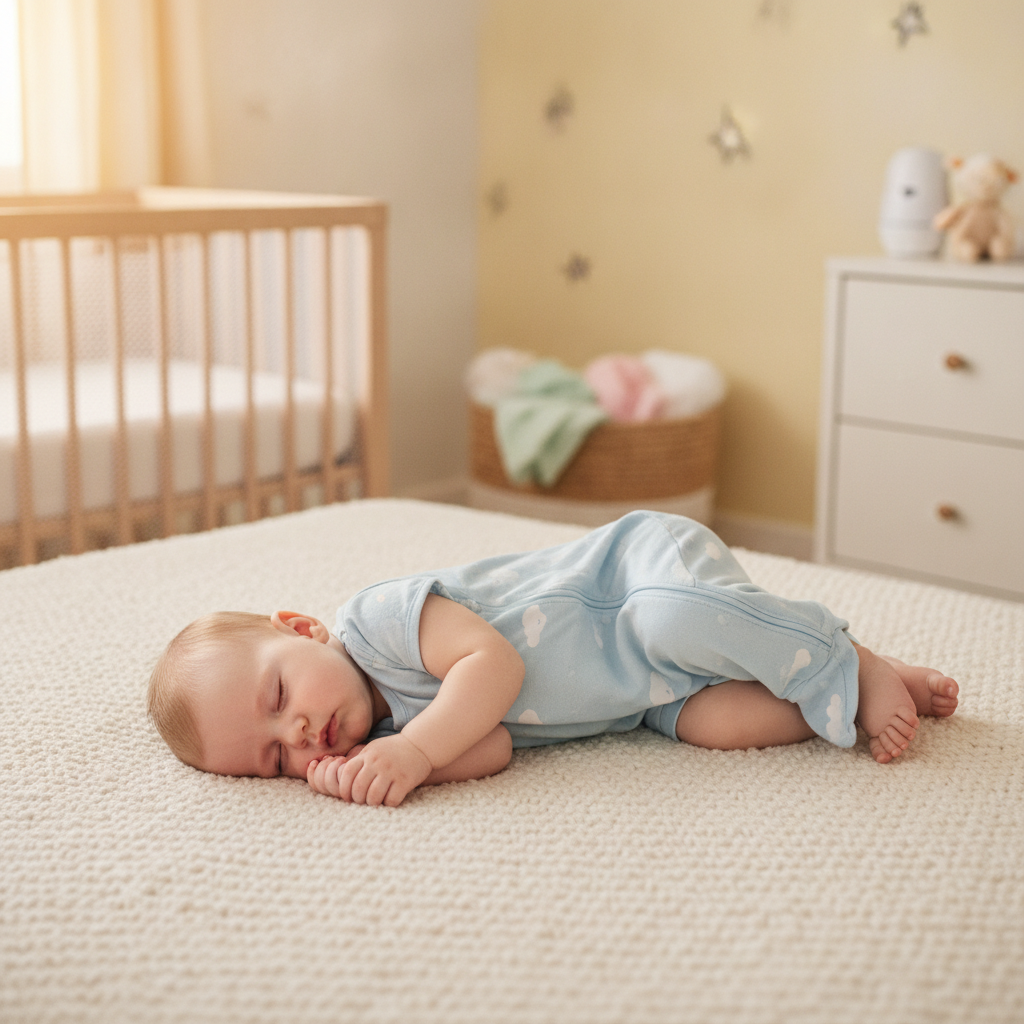
- Once a baby can roll both ways independently, it's safe to let them sleep in the position they choose — you don't need to flip them back
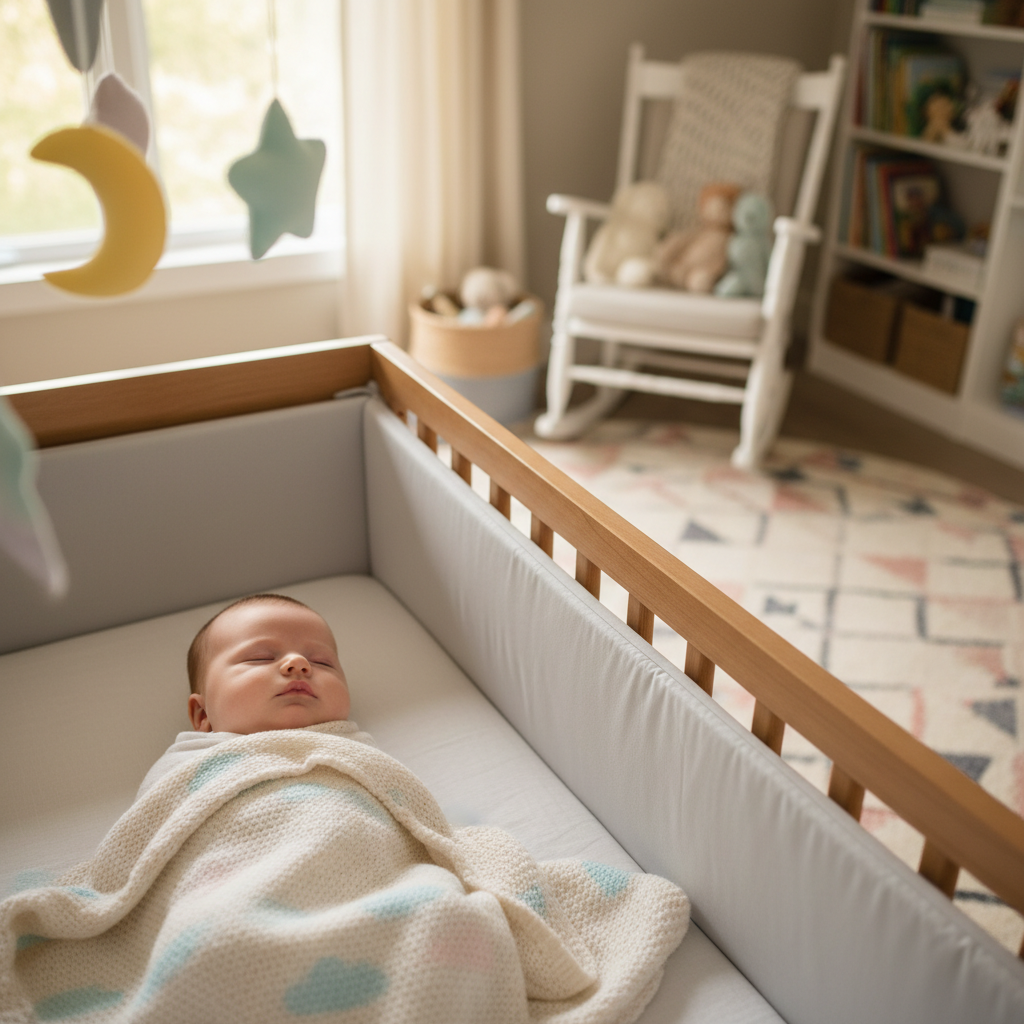
- Stop swaddling immediately at the first sign of rolling (or by 8 weeks at the latest per AAP guidelines)
- Always place baby on their back to start sleep — even after they can roll
- Rolling during sleep is a normal developmental milestone, typically starting between 3–5 months
- A bare crib with a firm mattress and fitted sheet is the safest environment for a rolling baby
Few things cause more midnight panic than watching your baby flip onto their stomach for the first time during sleep. After months of "back is best," seeing your little one face-down feels terrifying. The good news: rolling is a sign of healthy development, and once baby can do it independently, the risk profile changes significantly. Here's everything you need to know.
Related: How to Swaddle a Baby and Safe Sleep & SIDS Prevention.
When Babies Start Rolling
Most babies develop rolling skills in a predictable sequence:
- 2–3 months: Accidentally rolls from tummy to back during tummy time (gravity-assisted)
- 3–4 months: Intentional tummy-to-back rolling becomes consistent
- 4–5 months: Back-to-tummy rolling begins (this is the one that scares parents at night)
- 5–6 months: Most babies can roll both directions confidently
Some babies roll as early as 3 months; others wait until 6 months. Both are within the normal range. Premature babies should be assessed by adjusted age.
Is It Safe to Sleep on Stomach After Rolling?
Yes — with important conditions. The AAP's 2022 updated safe sleep guidelines state:
"If an infant can roll from supine to prone and from prone to supine, the infant can be allowed to remain in the sleep position that they assume."
The key conditions:
- Baby must roll BOTH ways — back-to-tummy AND tummy-to-back
- Always start on back — place baby on their back every time, let them choose to roll
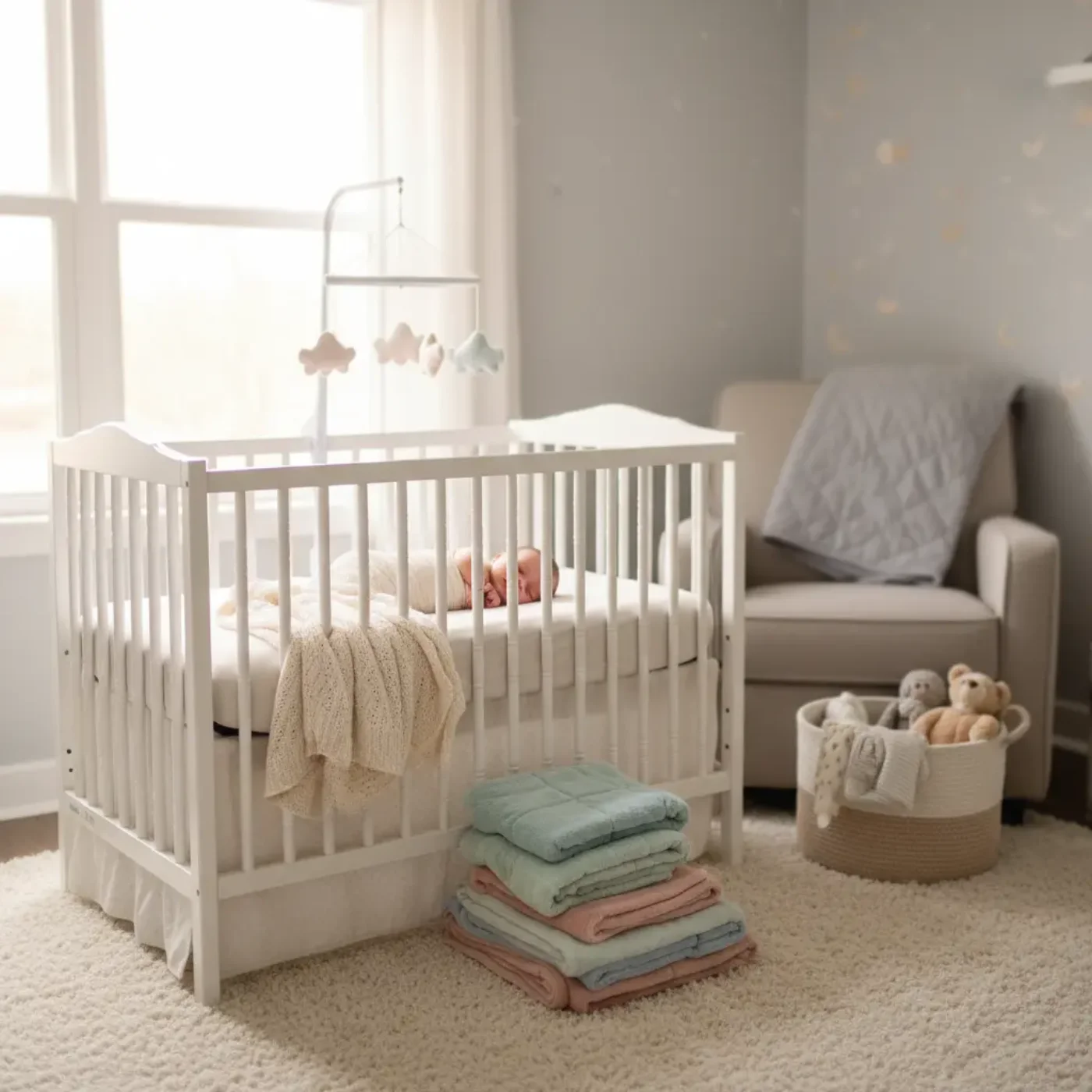
- Bare crib — no pillows, blankets, bumpers, or positioners that could trap a face-down baby
- Firm mattress — no soft surfaces that could conform around baby's face
Why is rolling a game-changer for safety? A baby who can roll has developed the neck strength, head control, and reflexes to lift and turn their head if their airway is compromised. These same motor skills that enable rolling also protect against suffocation.
AAP Safe Sleep Rule
Always place baby on their back to start every sleep. If they roll on their own, you can leave them. But never place a baby directly on their stomach or side to sleep, regardless of age.
When to Stop Swaddling (The Rule)
The rule is simple and non-negotiable:
Stop swaddling at the FIRST sign of rolling — or by 8 weeks, whichever comes first.
Why? A swaddled baby who rolls onto their stomach cannot use their arms to push up or reposition. This dramatically increases suffocation risk. It's the most dangerous combination in infant sleep.
Signs it's time to stop swaddling:
- Baby breaks free from the swaddle (arms escaping)
- Baby rolls to their side while swaddled
- Increased resistance to being swaddled
- Strong neck lifting during tummy time
- Baby is approaching 8 weeks (even without rolling signs)
Swaddle Transition Products & Methods
Going cold turkey from swaddle to nothing works for some babies, but many need a gradual transition. Here are your options:
| Product/Method | How It Works | Best For | Transition Time |
|---|---|---|---|
| One arm out | Swaddle with one arm free, then both | Mild startle reflex | 3–5 days per arm |
| Sleep sack (wearable blanket) | Arms free, body covered for warmth | Cold turkey transition | 1–3 nights |
| Zipadee-Zip | Starfish shape with enclosed hands, muffles startle | Strong Moro reflex | Immediate |
| Merlin's Magic Sleepsuit | Padded suit that dampens movements (pre-rolling only) | 3–6 months, not yet rolling | Immediate |
| Arms-up sleep sack (Love to Dream) | Arms up by face in fabric, self-soothing access | Babies who sleep arms-up | Immediate |
Important: Merlin's Magic Sleepsuit must be stopped once baby shows ANY rolling — it's too bulky for a rolling baby. Weighted sleep sacks are NOT recommended by the AAP.
What If Rolling Wakes Baby Up?
This is extremely common at 4–5 months. Baby rolls in their sleep, wakes up on their stomach, and cries because they can't get back. Frustrating — but temporary.
- Practice during the day: Lots of tummy time and rolling practice during wake windows builds the muscle memory to roll back
- Give a moment: Wait 1–2 minutes before intervening — many babies resettle themselves
- Flip and soothe: If they can't settle, roll them back, pat their chest, shush — but don't pick up immediately
- It resolves quickly: Most babies master the return roll within 1–2 weeks of starting to roll forward
Should You Flip Baby Back?
This depends on which stage your baby is in:
- Can only roll one way (back-to-tummy): Gently roll them back when you notice. You don't need to stay awake watching, but flip them when you check.
- Can roll both ways: Leave them alone. They chose that position and can get out of it. Repeatedly flipping them will just wake them (and you) up all night.
The transition period — when baby can roll to tummy but not back — typically lasts 2–4 weeks. It's the hardest phase, but it passes. Use daytime tummy-time practice to accelerate the back-roll skill.
Safe Sleep Reminders (AAP)
Once baby is rolling, safe sleep practices become even more critical:
- Firm, flat mattress — no memory foam, toppers, or inclined surfaces
- Bare crib — remove blankets, pillows, bumpers, stuffed animals, and positioners
- Fitted sheet only — nothing loose that could cover baby's face
- No sleep positioners or anti-roll devices — the FDA and AAP both warn against them
- Room-sharing (not bed-sharing) — baby in their own sleep space in your room until 6–12 months
- Dress appropriately — sleep sack instead of blankets for warmth
FAQ
My baby is only 3 months old and rolling — is that too early?
No, some babies are early rollers. The timeline doesn't matter — the skill does. If your 3-month-old is rolling both ways consistently, the same guidelines apply. Stop swaddling immediately and ensure a bare crib.
Should I use an anti-roll pillow or sleep positioner?
Absolutely not. The FDA has issued warnings against all infant sleep positioners. They create an entrapment and suffocation risk and have been linked to infant deaths. A bare crib is always safer.
My baby only rolls in their sleep, never during the day. Is that normal?
Yes, this happens. Some babies first roll during sleep when their muscles are relaxed. If they're rolling in the crib, they have the motor development to do it — even if they haven't "performed" it during play yet.
Can I use a sleep sack once baby is rolling?
Yes! Sleep sacks (wearable blankets) are safe and recommended for rolling babies. They provide warmth without loose fabric. Make sure it's the right size — not too big — and that it doesn't have a hood or anything that could cover the face.
When can I stop worrying about sleep position entirely?
Once baby can roll both ways confidently (usually by 6 months), the positional risk drops significantly. Continue placing baby on their back to start sleep through the first year, but you can relax about them rolling once asleep. SIDS risk drops substantially after 6 months and is very low after 12 months.
Struggling with Sleep? Try ParAI's AI Sleep Coach
ParAI's AI Sleep Coach creates a personalized sleep plan based on your baby's age, temperament, and patterns. Daily check-ins, progress tracking, and evidence-based guidance.


Disclaimer: This article is for informational purposes only and does not replace professional medical advice. Always consult your pediatrician for concerns about your baby's health or development.