Key Takeaways
- Always place baby on their BACK to sleep — for every sleep, every time
- Use a firm, flat mattress with only a fitted sheet — nothing else in the crib
- Room-sharing (not bed-sharing) for at least the first 6 months reduces SIDS risk by up to 50%
- SIDS risk peaks between 1–4 months and drops significantly after 6 months
- Breastfeeding, pacifier use, and avoiding overheating are proven protective factors
Safe sleep is the single most important thing you can do to protect your baby during the first year of life. SIDS (Sudden Infant Death Syndrome) claims approximately 3,400 babies per year in the US alone. The good news: following evidence-based guidelines dramatically reduces the risk.
The ABCs of Safe Sleep
The AAP's safe sleep guidelines can be summarized in three letters:
See also: Toddler Bedtime Routine: Step-by-Step Guide for Better Sleep and Best AI Sleep Training Apps for Babies 2026.
- A — Alone. Baby sleeps alone in their own sleep space. No blankets, pillows, toys, bumpers, or other people.
- B — Back. Always on their back. Not side, not stomach. Every nap, every night.
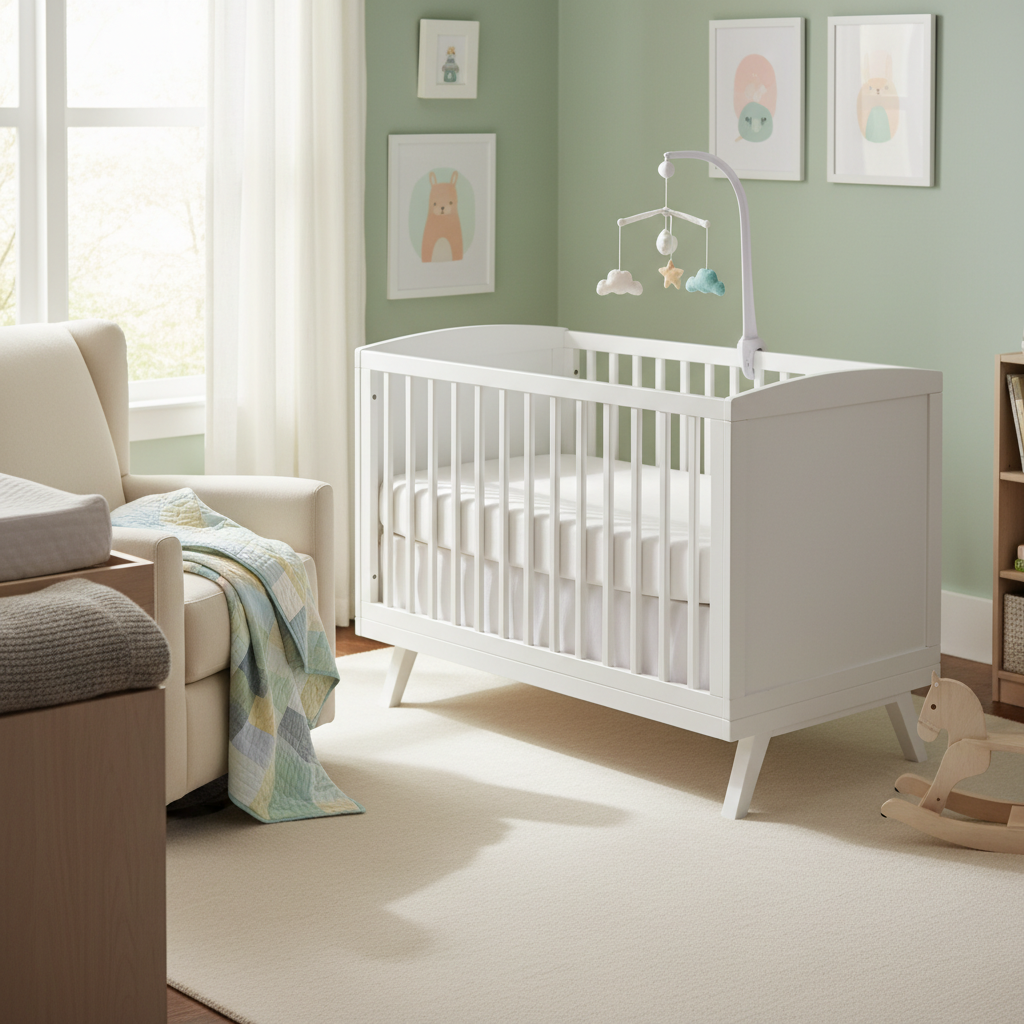
- C — Crib. In a safety-approved crib, bassinet, or play yard with a firm, flat mattress and fitted sheet only.
No exceptions for 'just this once'
Most SIDS deaths occur in unsafe sleep environments. Even one night of bed-sharing, stomach sleeping, or soft bedding increases risk. Consistency saves lives.
What Is SIDS?
SIDS is the unexplained death of a seemingly healthy baby under 1 year old, usually during sleep. It's not caused by suffocation, choking, or illness — it's believed to involve a combination of brain immaturity (affecting arousal from sleep), a vulnerable developmental period, and environmental stressors.
Key facts:
- Peak risk: 1–4 months of age
- 90% of SIDS deaths occur before 6 months
- Risk drops significantly once baby can roll both ways independently
- Boys are slightly more at risk than girls
- Premature and low birth weight babies have higher risk
Risk Factors
| Increases risk | Decreases risk |
|---|---|
| Stomach or side sleeping | Back sleeping |
| Soft bedding, pillows, bumpers | Firm, flat mattress with fitted sheet only |
| Bed-sharing (especially on couch/armchair) | Room-sharing without bed-sharing |
| Overheating / over-bundling | Comfortable temperature (18–21°C) |
| Smoke exposure (prenatal or postnatal) | Smoke-free environment |
| Premature birth / low birth weight | Breastfeeding (any amount) |
| Alcohol/drug use by co-sleeping parent | Pacifier use at sleep time |
Pacifiers are protective
Offering a pacifier at sleep time reduces SIDS risk by up to 90% in some studies. If breastfeeding, wait until nursing is well established (3–4 weeks) before introducing one. Don't force it if baby refuses.
Creating a Safe Sleep Environment
Your baby's sleep space checklist:
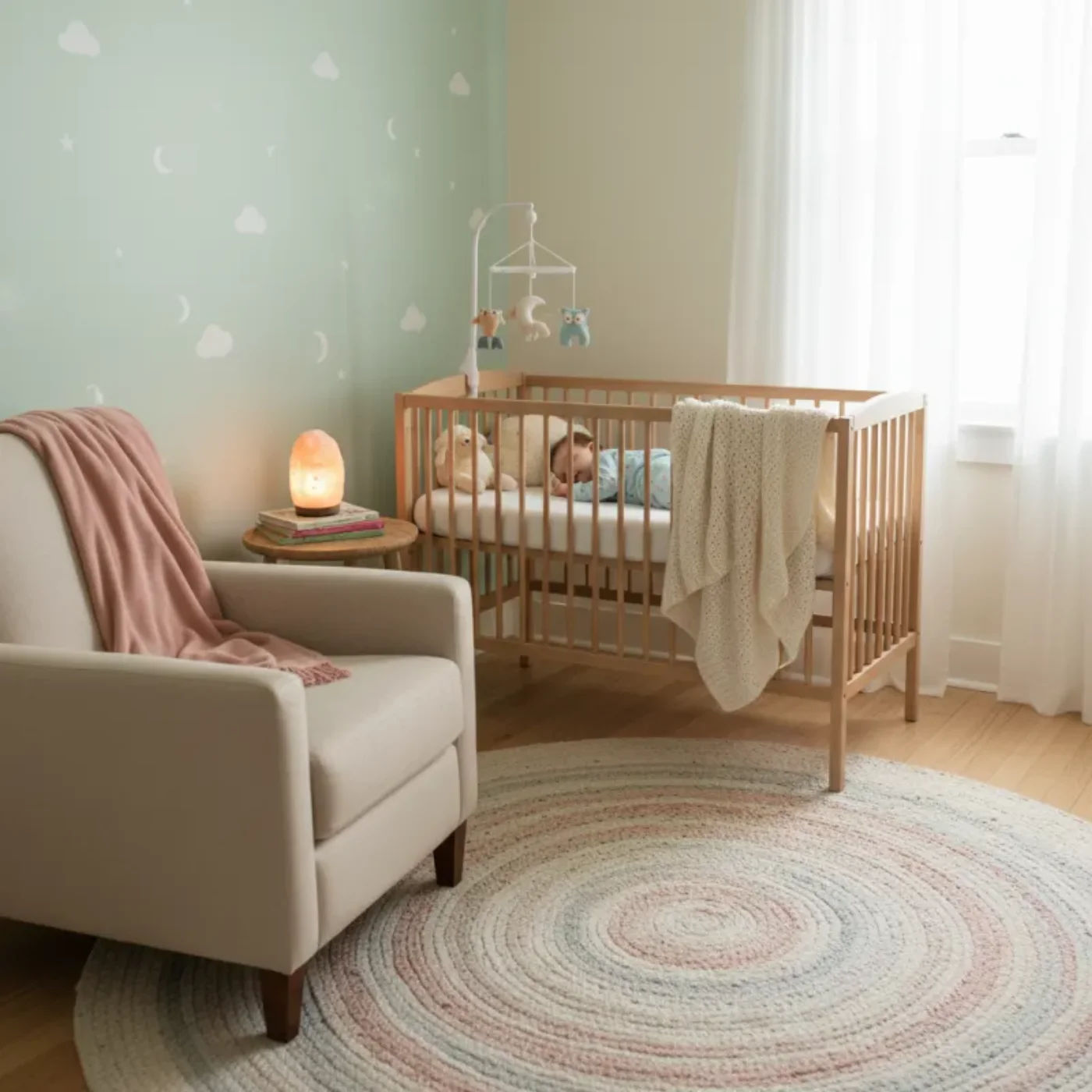
- Mattress: Firm and flat. If you press your hand into it, it should spring back immediately. No memory foam.
- Sheet: Fitted sheet only. It should be tight with no loose fabric.
- Nothing else: No blankets, quilts, pillows, stuffed animals, bumpers, positioners, or wedges.
- Temperature: Keep room at 18–21°C (65–70°F). Dress baby in a sleep sack instead of loose blankets.
- Crib placement: Away from windows, cords, curtains. No hanging mobiles within reach.
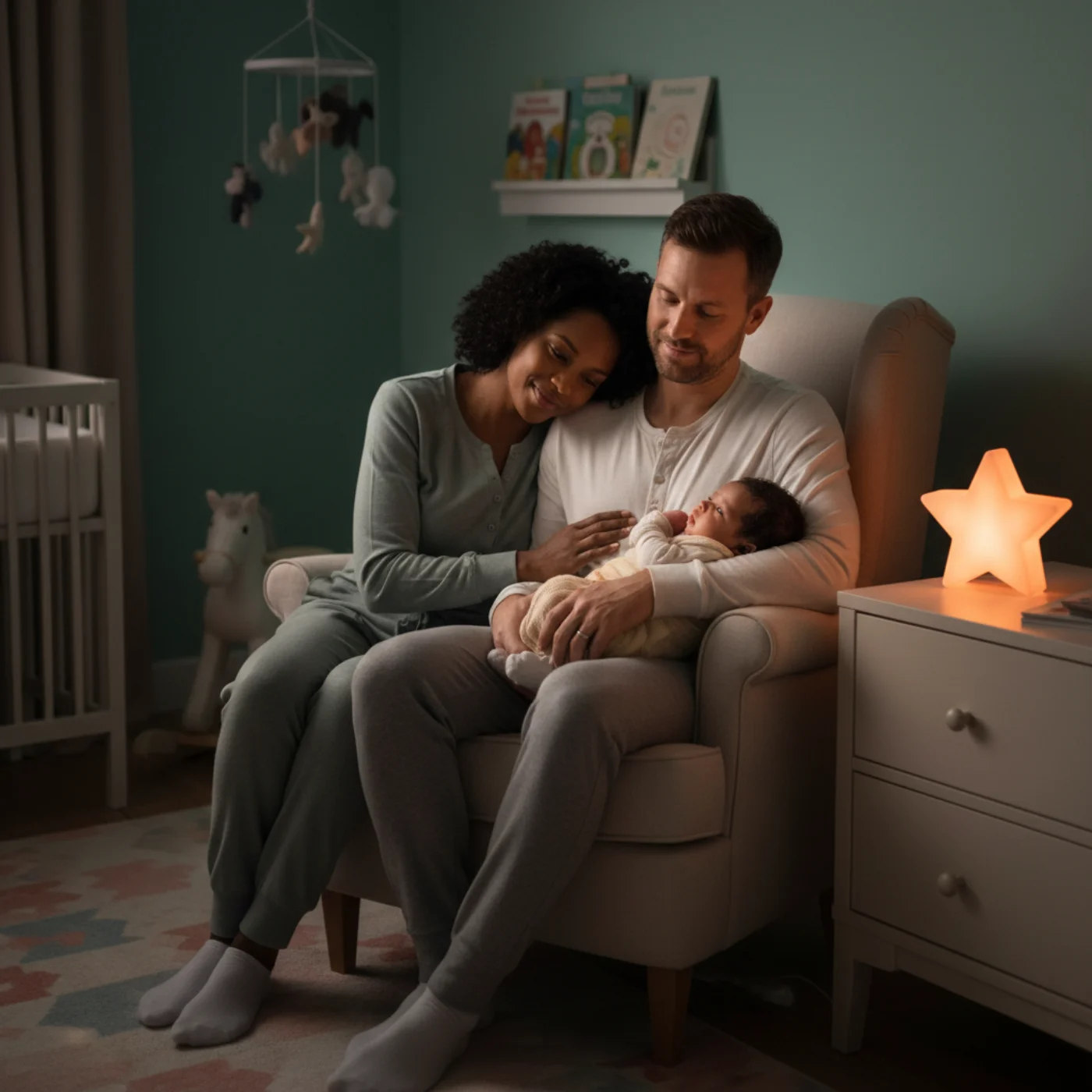
- Room-sharing: Baby's crib in your room for at least 6 months (ideally 12).
The sleep sack solution
Worried baby will be cold without a blanket? Use a wearable blanket (sleep sack) appropriate for room temperature. TOG rating 1.0 for most rooms, 0.5 for warm weather, 2.5 for cold rooms.
Common Myths Debunked
"My baby will choke on their back." False. Babies have a natural reflex to swallow or cough up fluid. Back-sleeping babies actually have a lower risk of choking because the trachea is above the esophagus in this position.
"Bumpers prevent injury." False. Crib bumpers are a suffocation risk and are now banned in many states. Modern cribs are designed so baby's limbs can't get stuck.
"Once baby rolls, I need to flip them back." False. Once your baby can roll both ways independently, you can let them find their own position. Always place them on their back initially, but don't flip them if they roll during sleep.
"Co-sleeping is fine if I'm careful." The AAP recommends against bed-sharing under any circumstances. The safest arrangement is a separate sleep surface in the same room.
When Can You Relax the Rules?
- Rolling (both ways): You can stop repositioning baby to their back. Still place them on their back initially.
- 12 months: A thin blanket and small lovey become safe. Pillows still not recommended until age 2+.
- Crib bumpers: Never safe. Remove them entirely.
- Room-sharing: Can transition baby to their own room after 6–12 months based on family needs.
Car seats and swings are not for sleep
Babies should never sleep unsupervised in car seats, swings, bouncers, or inclined surfaces. If baby falls asleep in one, transfer them to a flat, firm surface as soon as possible.
Struggling with Sleep? Try ParAI's AI Sleep Coach
ParAI's AI Sleep Coach creates a personalized sleep plan based on your baby's age, temperament, and patterns. Daily check-ins, progress tracking, and evidence-based guidance.