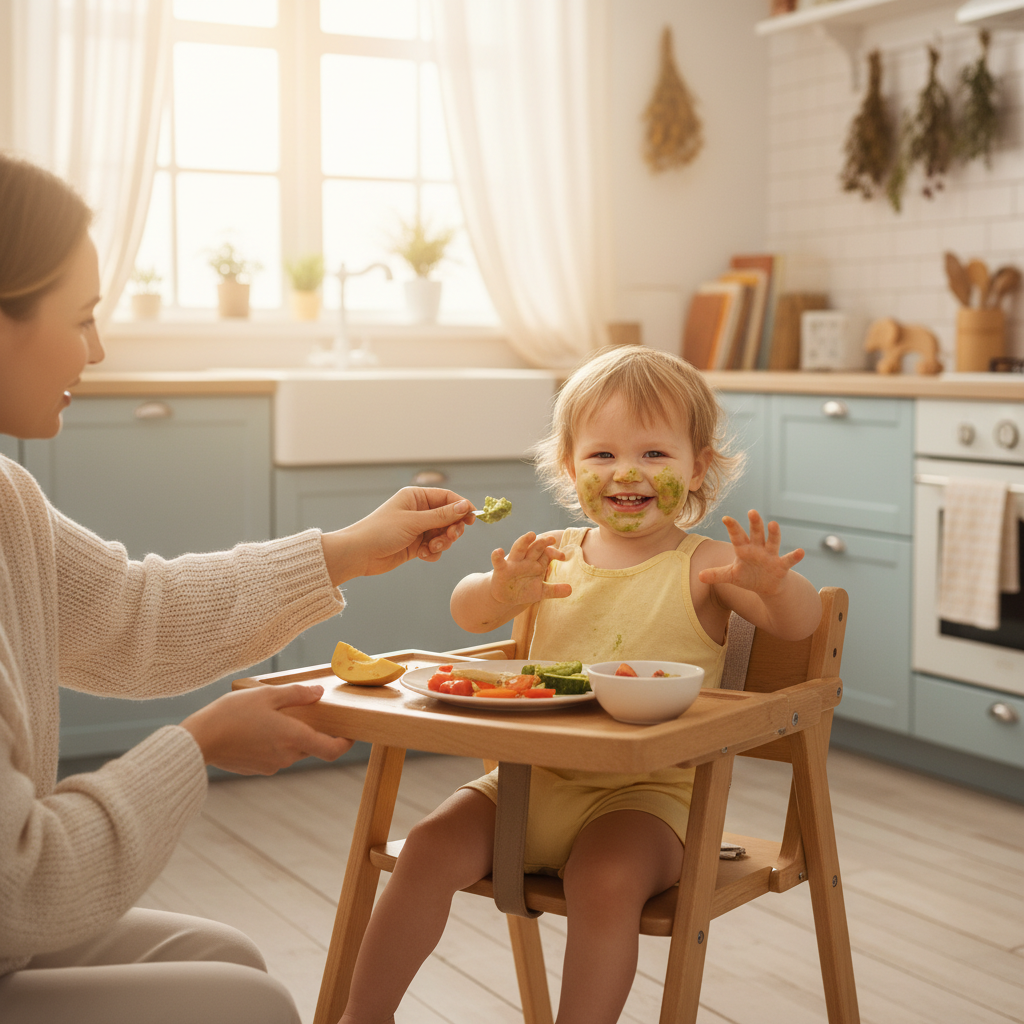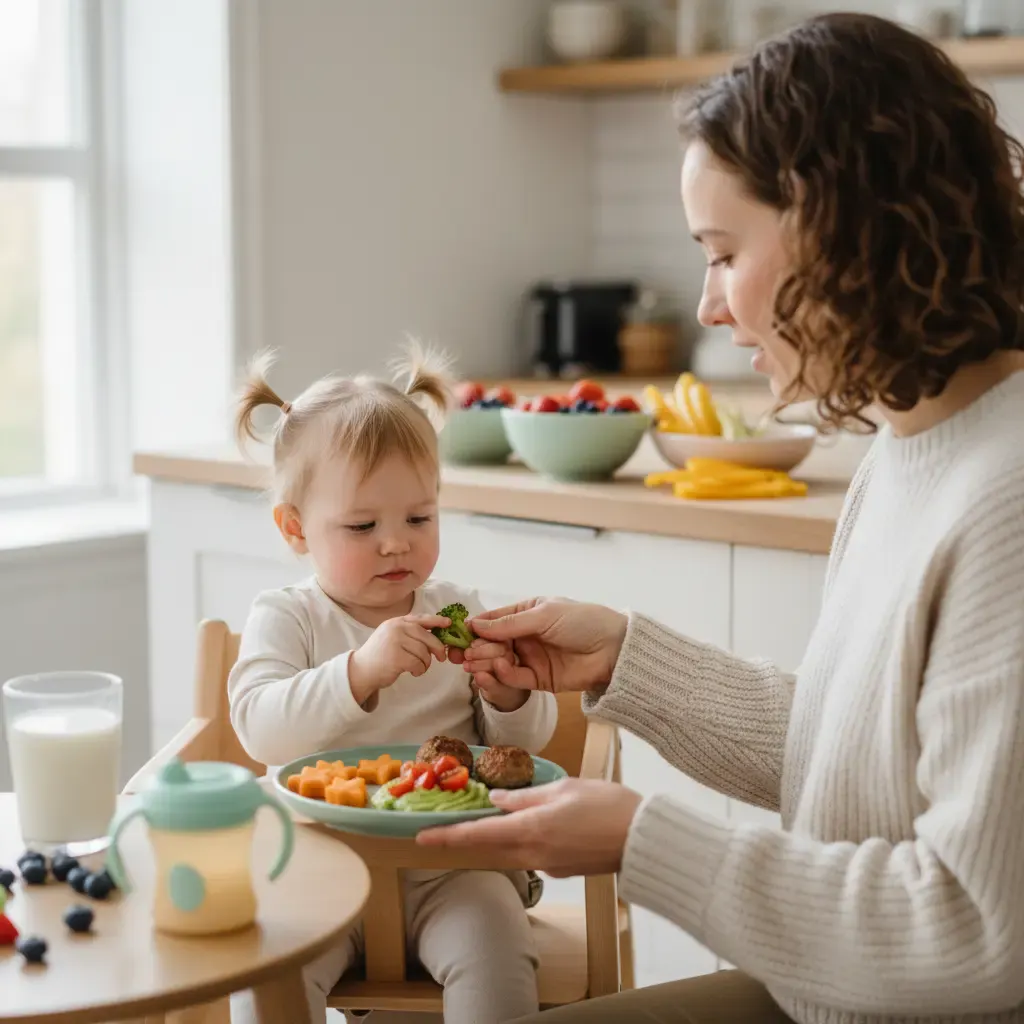
Key Takeaways
- Picky eating is a normal developmental phase — most toddlers go through it between ages 2 and 5
- It can take 15–20 exposures to a new food before a child accepts it
- Pressure, bribes, and forcing backfire — they increase food refusal long-term
- Focus on variety over time, not perfection at every meal
Your toddler loved broccoli last week and now acts like you're serving poison. You've made three different dinners tonight and they've eaten exactly four bites of bread. Sound familiar?
Picky eating is one of the most stressful parts of parenting a toddler — but it's also one of the most normal. Here's what's actually going on, what works (backed by research), and meal ideas that real parents swear by.
See also: Picky Eating in Toddlers: Why It Happens and What Actually Works and Toddler Tantrums: Why They Happen and What Actually Helps.
Why Toddlers Become Picky Eaters
Between ages 2 and 5, most children go through a phase called food neophobia — a fear of new foods. This is an evolutionary survival mechanism. Toddlers are mobile enough to find things on their own, so their brains are wired to be suspicious of unfamiliar tastes.
Other reasons your toddler refuses food
- Growth slows down — toddlers grow much slower than babies, so they genuinely need less food. A 2-year-old's stomach is roughly the size of their fist
- Independence — saying "no" to food is one of the few things toddlers can control
- Sensory sensitivity — textures, colors, and smells matter more than taste at this age. Mixed textures (like soup with chunks) are often rejected
- Snacking too much — grazing between meals kills appetite for actual meals
- Pressure at mealtimes — the more you push, the more they resist. Research consistently shows that pressuring children to eat increases food refusal
What's Normal and What's Not
Normal picky eating
- Refusing foods they used to like
- Wanting the same food every day for a week, then never again
- Eating a lot one day and almost nothing the next
- Rejecting foods based on color, texture, or how they're arranged on the plate
- Only eating 10–15 different foods total
Red flags to watch for
- Eating fewer than 10 foods total and the list is shrinking
- Gagging, choking, or vomiting with certain textures
- Weight loss or falling off their growth curve
- Extreme distress at mealtimes (not just "I don't want it" but real anxiety)
- Only eating one food group (e.g., only carbs, refusing all protein)
Meal Ideas That Actually Work
The key is offering familiar foods alongside new ones. Always include at least one "safe food" your child will eat.
Breakfast ideas
- Mini pancakes with fruit — use whole wheat flour, add mashed banana to the batter for hidden nutrition
- Yogurt parfait — layer yogurt, granola, and berries. Let them build their own
- Egg muffins — scrambled eggs baked in a muffin tin with cheese and finely diced veggies
- Toast strips with nut butter — cut into fun shapes with cookie cutters
- Smoothie — blend spinach with banana, berries, and yogurt. They can't see the green
Lunch ideas
- Deconstructed meals — instead of a sandwich, serve bread, cheese, turkey, and veggies separately. Toddlers like to choose
- Quesadilla triangles — cheese melted in a tortilla with hidden beans or finely shredded chicken
- Pasta with butter and parmesan — simple, and you can add peas or diced carrots on the side
- Mini meatballs — mix ground meat with grated zucchini and oats. Serve with a dipping sauce
- Snack plate — cubes of cheese, crackers, sliced fruit, cucumber sticks, hummus. No cooking required
Dinner ideas
- Build-your-own tacos — small tortillas with options to fill. Toddlers love assembling food
- Fried rice — use leftover rice, scrambled egg, peas, and soy sauce. Finely dice any veggies
- Chicken nuggets (homemade) — coat chicken pieces in crushed cereal or breadcrumbs and bake
- Soup with bread for dipping — blend the soup smooth if they reject chunks
- Pizza toast — English muffin with tomato sauce, cheese, and toppings they choose
The dipping trick
Toddlers will eat almost anything if they can dip it. Offer ketchup, hummus, yogurt, ranch, or even applesauce as a dip. It gives them control and makes eating interactive.
Strategies to Expand Their Palate
These are evidence-based approaches recommended by pediatric feeding specialists:
The Division of Responsibility (Ellyn Satter method)
This is the gold standard in pediatric nutrition:
- Parents decide what food is served, when, and where
- Children decide whether to eat and how much
That's it. No bribes ("eat your peas and you can have dessert"), no pressure ("just try one bite"), no short-order cooking. Serve the family meal, include one safe food, and let them choose.
More strategies that work
- Serve new foods alongside familiar ones — always include at least one food you know they'll eat
- Let them see you eating it — toddlers learn by watching. Eat the same food enthusiastically (without commenting on theirs)
- Involve them in cooking — washing vegetables, stirring, pouring. Kids who help prepare food are more likely to try it
- Keep portions tiny — one tablespoon per year of age is a serving. A mountain of food is overwhelming
- Don't make separate meals — serve the family meal with modifications (cut smaller, serve sauce on the side)
- Offer rejected foods again — research shows it takes 15–20 exposures. Put a small amount on their plate without comment
- Make food fun — faces on plates, food picks, colorful plates, cookie cutter shapes
What doesn't work
Bribing with dessert ("eat 3 bites of broccoli and you get ice cream") teaches kids that broccoli is something to endure and dessert is the reward. It backfires long-term. Instead, serve a small dessert alongside the meal — yes, at the same time.
Covering All Food Groups
Don't stress about every meal being balanced. Look at the whole week instead. Over 7 days, most toddlers get a reasonable mix if you keep offering variety.
Protein (aim for 2–3 servings/day)
- Eggs, cheese, yogurt, beans, lentils, nut butters, chicken, fish, tofu
Fruits & vegetables (aim for 5 servings/day)
- Offer at every meal and snack. Fresh, frozen, or cooked all count. Smoothies count too
Grains (aim for 3–5 servings/day)
- Bread, pasta, rice, oatmeal, cereal, tortillas. Choose whole grain when possible
Dairy (aim for 2–3 servings/day)
- Milk (16–20 oz/day max), yogurt, cheese. Too much milk fills them up and blocks iron absorption
Fats
- Toddlers need healthy fats for brain development. Avocado, olive oil, nut butters, full-fat dairy
When to Talk to Your Pediatrician
Most picky eating resolves on its own by age 5–6. But talk to your doctor if:
- Your child eats fewer than 10 foods and drops foods without adding new ones
- They're losing weight or falling off their growth curve
- Mealtimes cause extreme anxiety or meltdowns (beyond normal toddler resistance)
- They gag or vomit with certain textures consistently
- They only eat one food group (e.g., only carbs)
- You suspect a sensory processing issue — they're also sensitive to clothing tags, loud sounds, or certain textures outside of food
Your pediatrician may refer you to a pediatric feeding therapist (occupational therapist or speech-language pathologist) who specializes in food aversion.
Track Feedings in Seconds with Natural Language
Just type "150ml bottle at 3pm" and ParAI logs it instantly. No forms, no tapping through menus. Plus AI insights on feeding patterns and schedules.


Disclaimer: This article is for informational purposes only and does not replace professional medical advice. Always consult your pediatrician for concerns about your baby's health or development.