Key Takeaways
- Toddlers need 3+ hours of active play daily according to WHO and AAP guidelines
- Tracking reveals whether your child is actually getting enough physical activity
- Active play directly connects to better sleep quality and fewer behavior problems
- ParAI logs outdoor play, indoor active play, sports/swimming, and free play with duration
- Replacing screen time with active alternatives improves development across all domains
We all know kids need to move. But how much is enough? And is your toddler actually getting it? Most parents assume their child is active enough — but when you start tracking, the numbers often tell a different story.
Here's what the research says about active play, why tracking it matters, and how ParAI makes it effortless.
How Much Active Play Do Toddlers Need?
Both the WHO and AAP have clear guidelines:
- Ages 1-2: At least 180 minutes (3 hours) of physical activity per day at any intensity, spread throughout the day
- Ages 3-5: At least 180 minutes per day, including at least 60 minutes of moderate-to-vigorous activity (running, jumping, climbing)
That's 3 full hours — not just a 30-minute playground visit. It includes everything from toddling around the house to running at the park, but it needs to add up.
For children under 1, the WHO recommends at least 30 minutes of tummy time spread throughout the day, plus interactive floor-based play.
Why Track It?
Here's why most parents benefit from tracking active play:
- Parents overestimate active time — Studies show parents estimate 30-50% more activity than actually occurs. A "busy morning" might only include 20 minutes of real movement.
- Reveals screen-time-to-play ratio — When you see 90 minutes of screen time vs 45 minutes of active play, the imbalance becomes obvious and actionable.
- Correlates with sleep quality — Tracking both sleep and activity in one app reveals patterns you'd never notice otherwise.
- Identifies sedentary patterns — Some days (rainy days, sick days, busy weekends) consistently fall short. Tracking helps you plan ahead.
Weekly insights
ParAI shows your active play vs screen time ratio in weekly insights. You'll see a clear breakdown of how much time your child spent moving vs sitting — and how it correlates with their sleep and behavior that week.
Types of Active Play in ParAI
ParAI tracks physical activity in categories that match how toddlers actually spend their time:
- Outdoor play — Park, garden, walks, playground. Logged with duration.
- Sports / Swimming — Organized classes, swimming lessons, soccer, gymnastics.
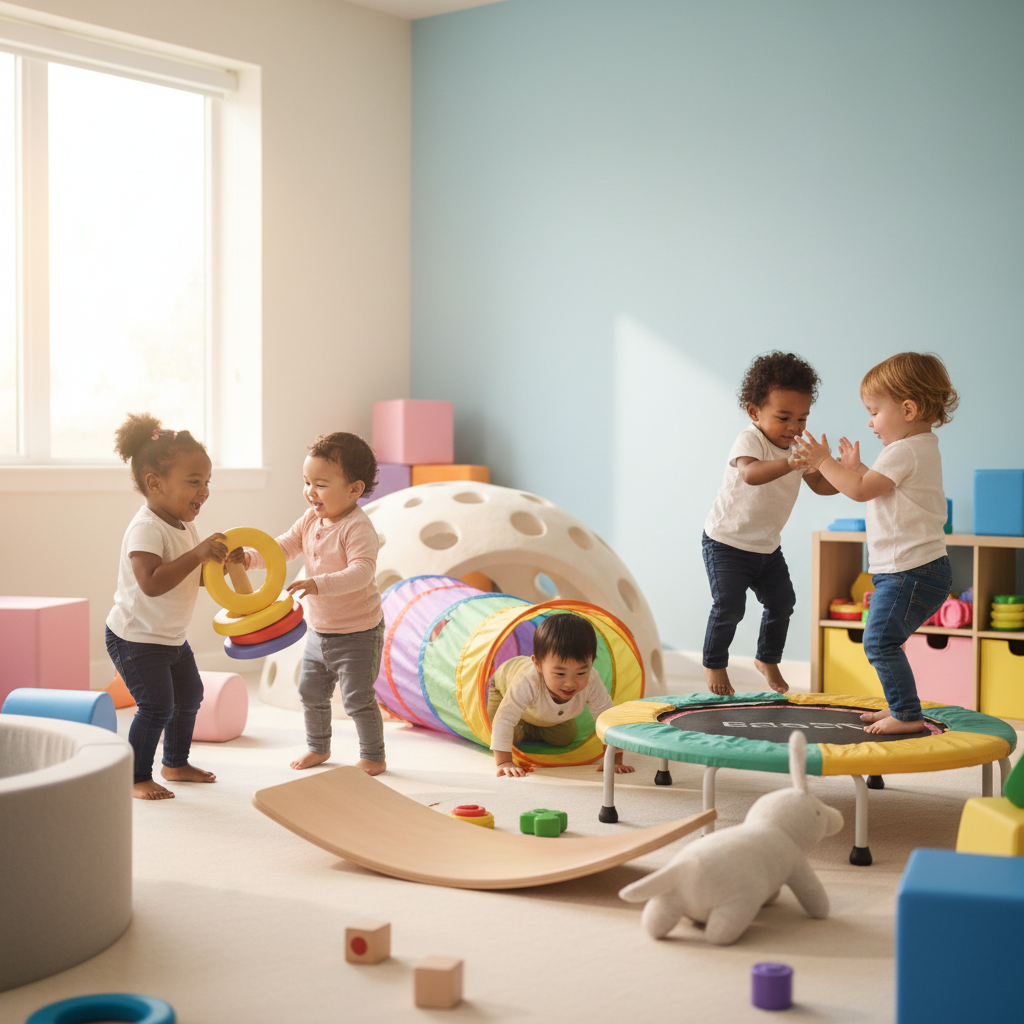
- Indoor active play — Dancing, obstacle courses, climbing, roughhousing, active games.
- Free play — Unstructured play at home, imaginative play, running around.
ParAI also tracks non-physical activities (arts & crafts, reading, music) separately — these are important for development but don't count toward WHO physical activity guidelines.
Each entry logs the duration, so you get an accurate daily total. Over time, you'll see which categories dominate and which need more attention.
Active Play and Sleep Connection
The research is clear: physical activity improves sleep. But the specifics matter:
- Toddlers with 2+ hours of outdoor play fall asleep an average of 15 minutes faster
- They also sleep 30 minutes longer overall compared to days with less than 1 hour outdoors
- Morning activity has a stronger effect on nighttime sleep than afternoon activity
- Vigorous play within 1 hour of bedtime can actually delay sleep onset
Because ParAI tracks both sleep and active play, it can show you these correlations in your own child's data — not just population averages. You'll see exactly how a park morning affects that night's sleep.
Active Play and Behavior
There's a direct link between physical activity and toddler behavior:
- Less active play = more tantrums, restlessness, and difficulty focusing
- Children who don't meet activity guidelines show 2-3x more challenging behaviors
- Even 30 extra minutes of outdoor play can reduce afternoon meltdowns significantly
- Active play builds self-regulation skills that reduce impulsive behavior
ParAI's AI Behavior Coach factors active play data into its analysis. If your child's behavior worsens on low-activity days, the coach will flag the pattern and suggest increasing movement before trying other interventions.
Ideas by Age
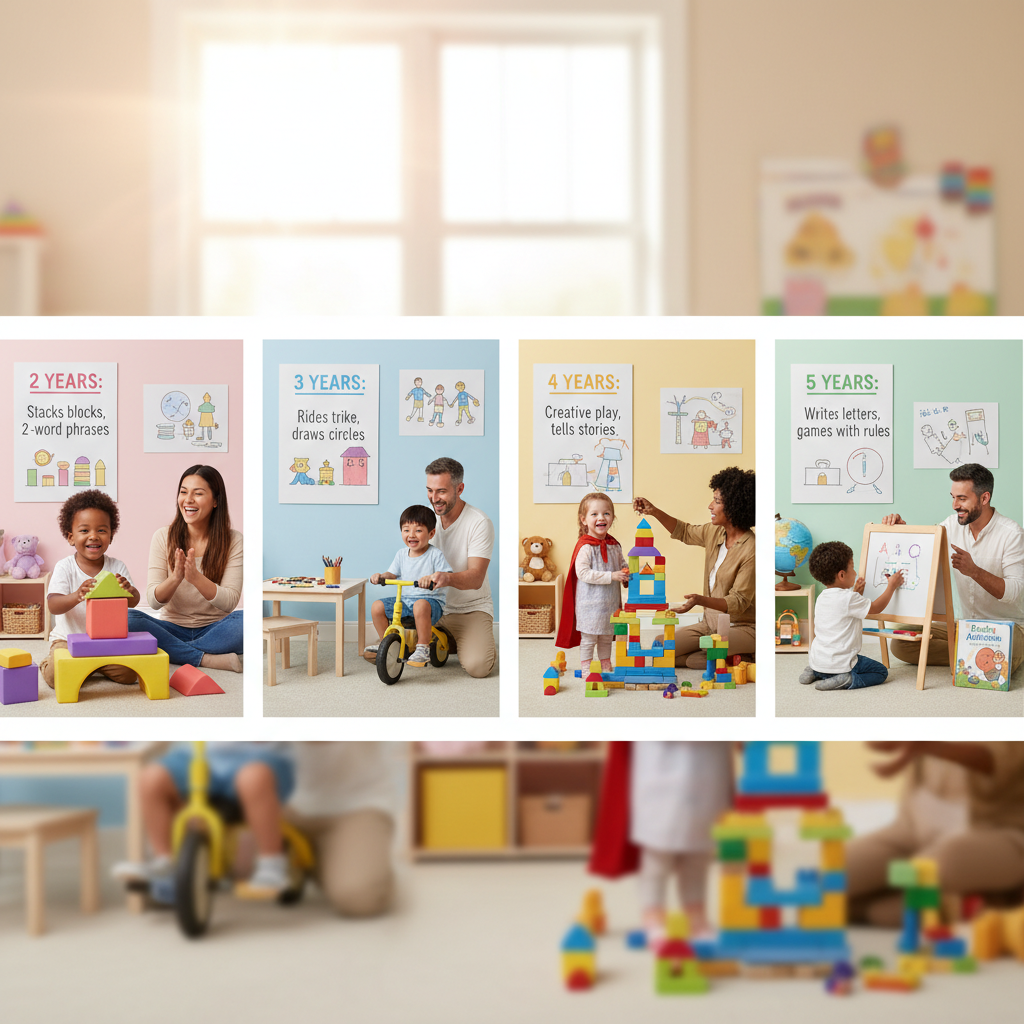
Ages 1-2: Sensory and Movement
- Sensory play — water tables, sand, rice bins, playdough
- Climbing — soft play, cushion mountains, low climbing frames
- Dancing — music and movement, action songs
- Push/pull toys, stacking, knocking down towers
Ages 2-3: Active Exploration
- Running, chasing, hide and seek
- Ball games — kicking, throwing, catching
- Playground — slides, swings, climbing structures
- Tricycles, balance bikes
Ages 3-5: Skill Building
- Sports classes — soccer, gymnastics, martial arts
- Bikes with training wheels, scooters
- Swimming lessons
- Obstacle courses, relay races
Ages 5-7: Organized Activities
- Team sports — soccer, basketball, T-ball
- Dance classes, swimming squads
- Hiking, nature walks, bike rides
- Playground games with rules (tag, capture the flag)
See our full guide on activities for toddler development by age for more ideas.
FAQ
Does arts & crafts count as active play?
Yes — for toddlers, any activity that engages their body counts. Painting, playdough, and building blocks develop fine motor skills and keep them actively engaged rather than passively watching a screen. It's not vigorous activity, but it contributes to the 180-minute daily total.
What about rainy days?
Indoor alternatives: dance parties, obstacle courses with cushions, indoor climbing frames, sensory bins, yoga for kids, balloon games. The goal is movement, not sunshine. Track these as "free play" or "indoor play" in ParAI.
How much active play is too much?
For toddlers, there's essentially no upper limit during waking hours — as long as they're hydrated, fed, and getting adequate rest. The concern is only vigorous activity too close to bedtime (within 1 hour). Let them move as much as they want during the day.
Does ParAI count steps?
No — ParAI tracks activity by duration and category, not steps. Step counting isn't meaningful for toddlers who crawl, climb, dance, and play in ways a pedometer can't capture. Duration-based tracking gives a more accurate picture of actual activity levels.
For more on building a balanced day, see our guides on screen time guidelines by age and toddler daily routine schedules.
Track Milestones & Get AI Developmental Insights
ParAI tracks CDC milestones and uses AI to spot patterns, suggest activities, and alert you if something needs attention. Personalized to your child's age.